You’ve powered through your morning and midday with a high-protein breakfast and lunch. But when evening rolls around, many diets fizzle out: hunger creeps back, cravings spike, and you end up reaching for convenient but low-nutrient foods.
What if your dinner could do more than just fill your stomach? What if it could keep you full through the night, support your metabolism, preserve muscle, and align with your healthy goals—all with easy, realistic meals? Science says it’s entirely possible when you focus on high-protein meals.
Research consistently shows that meals rich in protein increase feelings of fullness, raise diet-induced thermogenesis, and support lean mass retention.(1) (2) (3) Imagine finishing your day satisfied—no late-night snack attacks, no hunger pangs, just restful recovery.
Below are 20 easy high-protein dinner ideas that you can adapt to your tastes and schedule. After the list, we’ll dive into the underlying science of protein for fullness, cooking strategies to make this effortless, and additional tips to maximize satiety beyond the plate.
1.Grilled Salmon with Steamed Broccoli
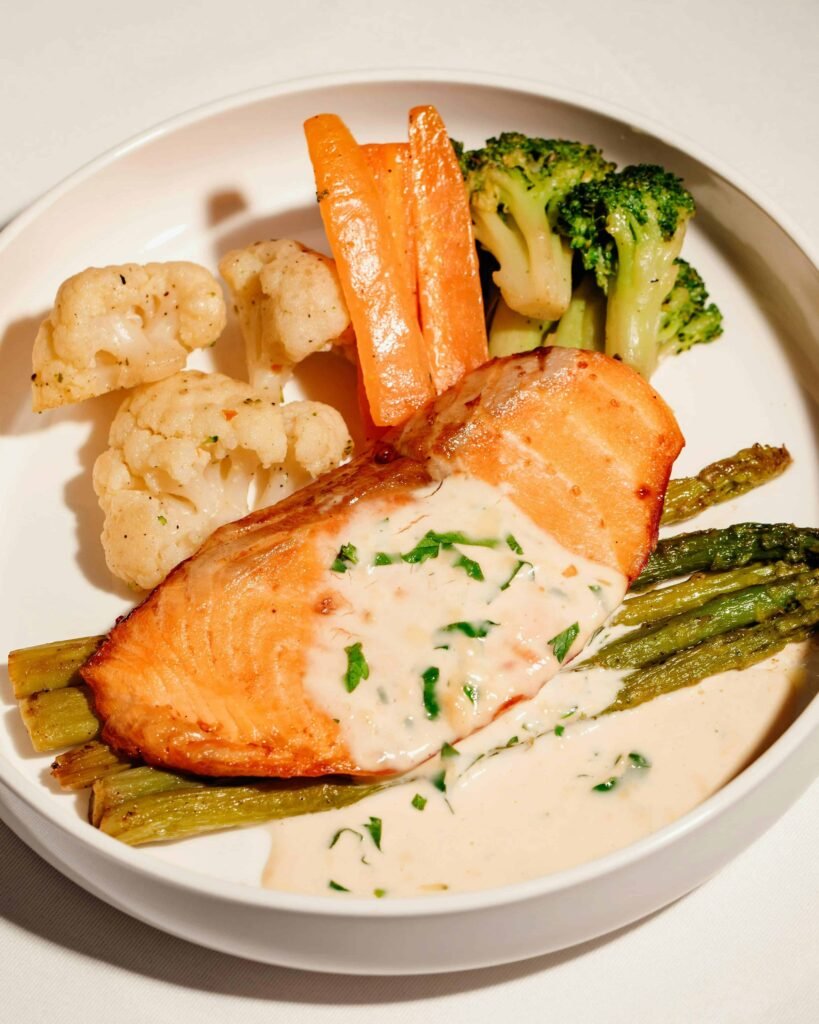
Salmon offers about 22–25 g of high-quality protein per 100 g and is rich in essential omega-3 fatty acids, which support heart and brain health. (1) (2) These fats help reduce inflammation, and the strong protein load helps increase satiety by stimulating fullness hormones and slowing digestion. Meanwhile, steamed broccoli adds fiber and volume, which physically fills the stomach and further prolongs the feeling of fullness. Together, this pairing supports muscle repair, healthy metabolism, and stable overnight energy levels.
2.Turkey Meatballs with Zucchini Noodles
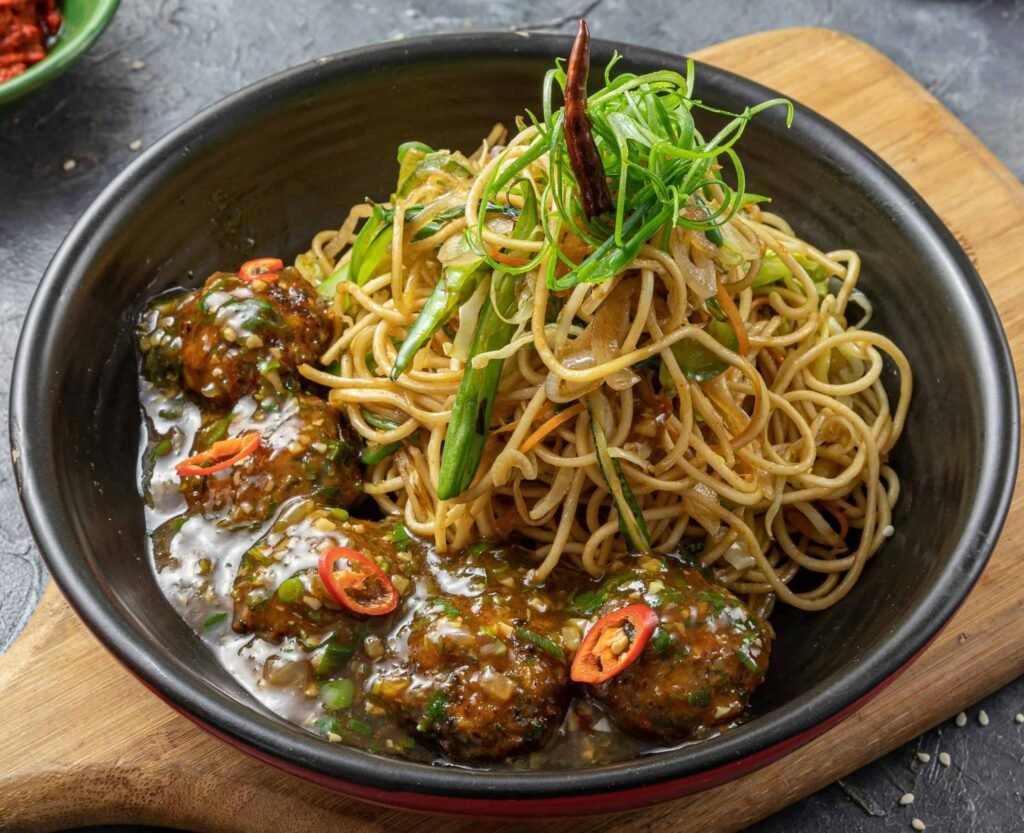
Lean ground turkey is a smart choice for a high-protein dinner because it’s lower in saturated fat compared to many red meats, while still delivering significant amounts of protein. (1) The turkey meatballs help maintain muscle mass and slow hunger. Pairing them with zucchini noodles instead of traditional pasta reduces calorie density and adds water and fiber content, both of which enhance fullness without feeling heavy. This dinner helps you feel satisfied yet light, perfect for evening meals.
3.Baked Tofu & Quinoa Bowl
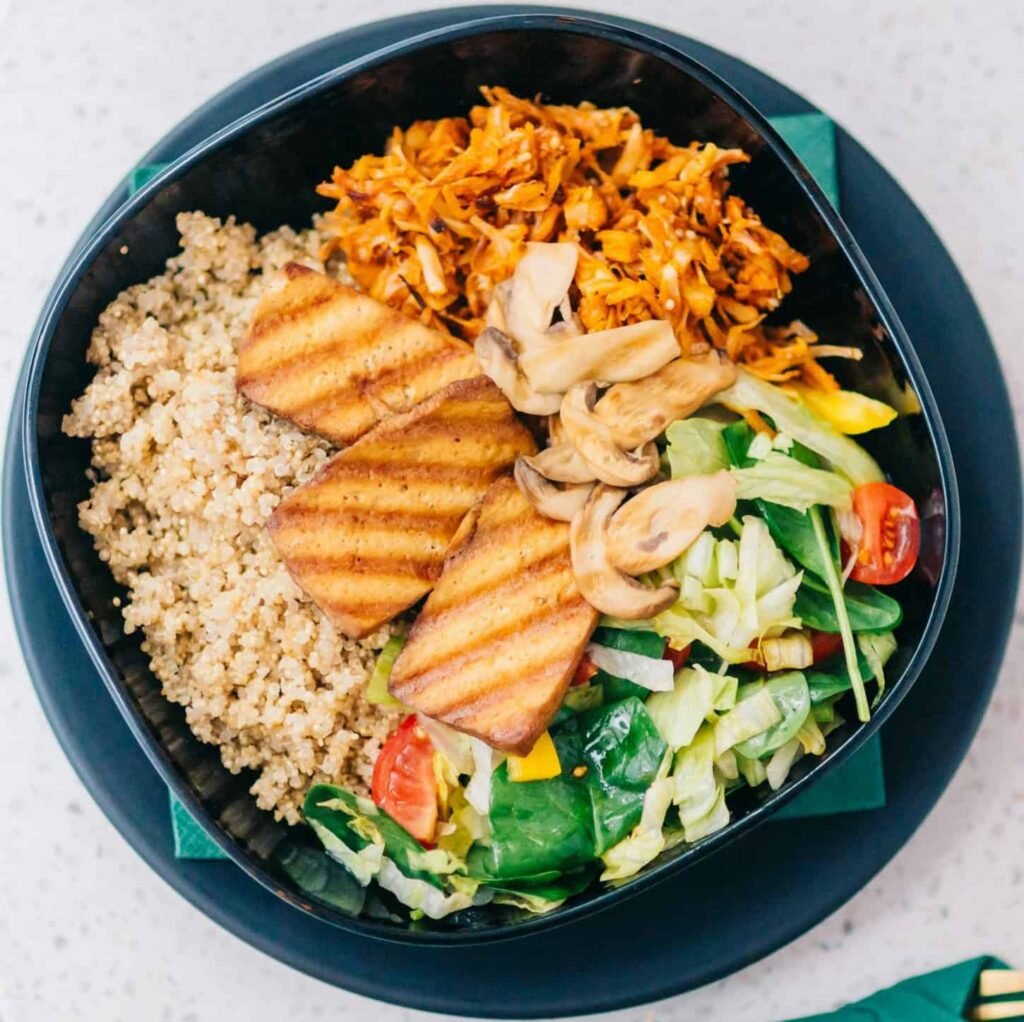
For a plant-forward option, tofu provides a complete protein source, and quinoa gives you a grain with more protein than typical rice or pasta. The combination supports fullness by providing plenty of amino acids plus fiber and micronutrients. One meta-analysis found that higher-protein meals improve fullness and energy expenditure. This kind of bowl also supports the same “full day” protein strategy you’d be using for your breakfast and lunch pillars.
4.Chicken Breast + Roasted Brussels Sprouts
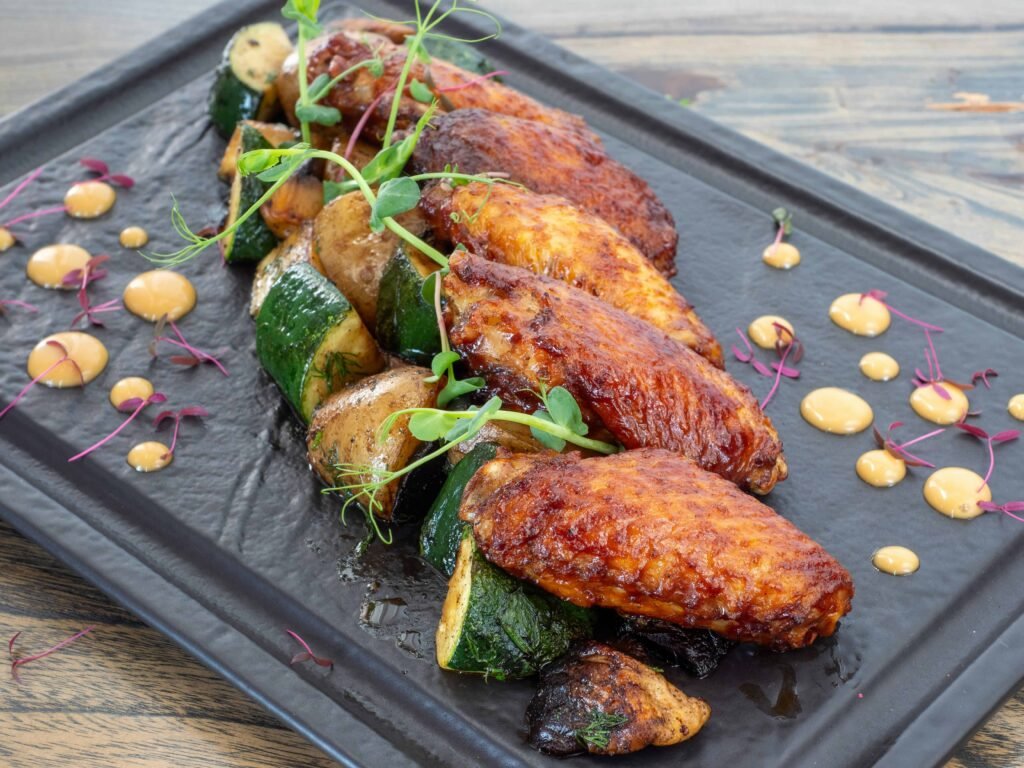
Skinless chicken breast offers around 30+ g of protein per 100 g—one of the most efficient sources for maximizing dinner protein. The high-protein content triggers stronger satiety signals, while the roasted Brussels sprouts add fiber, antioxidants, and a low-energy-density volume side. This supports both muscle repair (especially if you’ve exercised) and overnight recovery.
5.Shrimp Stir-Fry with Bell Peppers
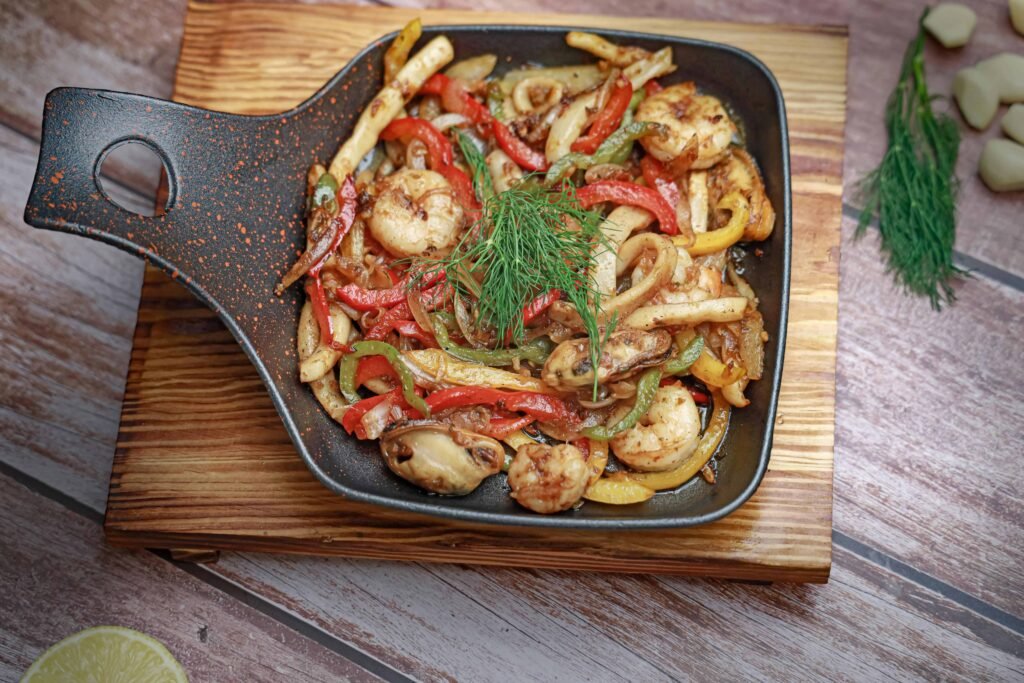
Shrimp cook fast, making them ideal for busy evenings. With ~20–25 g of protein per 100 g, it’s excellent for satiety. Combined with bell peppers and other colorful veggies, you get fiber, water content, and nutrients that enhance fullness and slow digestion. Plus, stir-fries tend to be high on flavor and low on prep time—helping you stick to a high-protein dinner habit even on hectic nights.
6.Lentil & Chickpea Stew
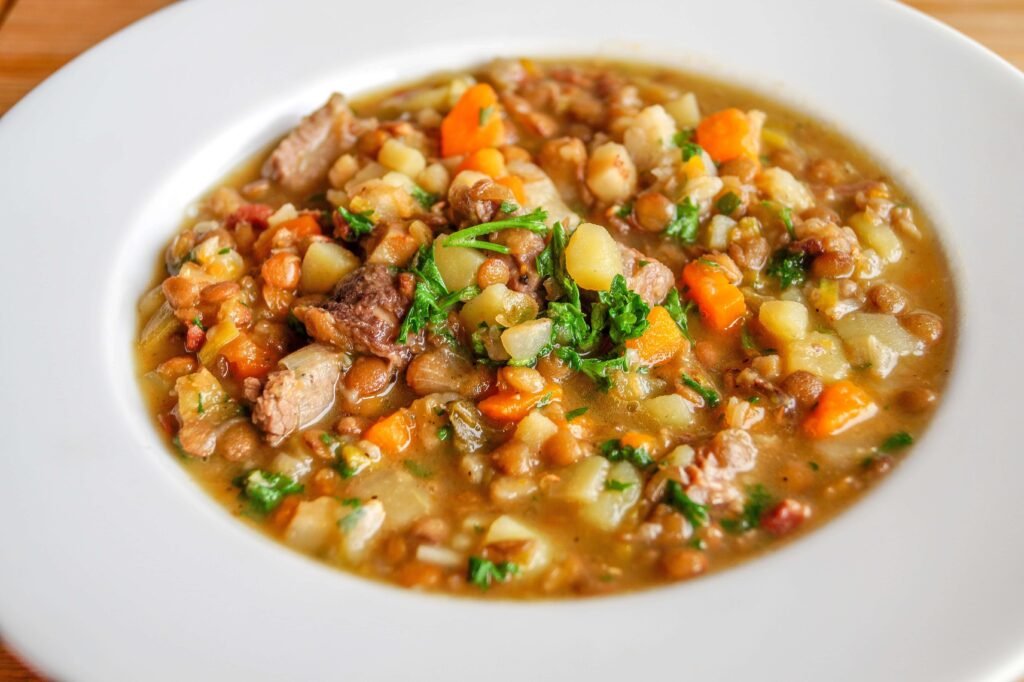
Legumes like lentils and chickpeas are excellent for fullness because they bring both protein and fiber. For example, lentils provide nearly 24 g of protein per 100 g cooked and substantial fiber to slow digestion and promote satiety. A stew format gives lots of volume and warmth, which adds psychological satisfaction. This dinner idea supports plant-based protein intake while still delivering strong fullness and nutritional value.
7.Lean Beef Steak + Sweet Potato Mash
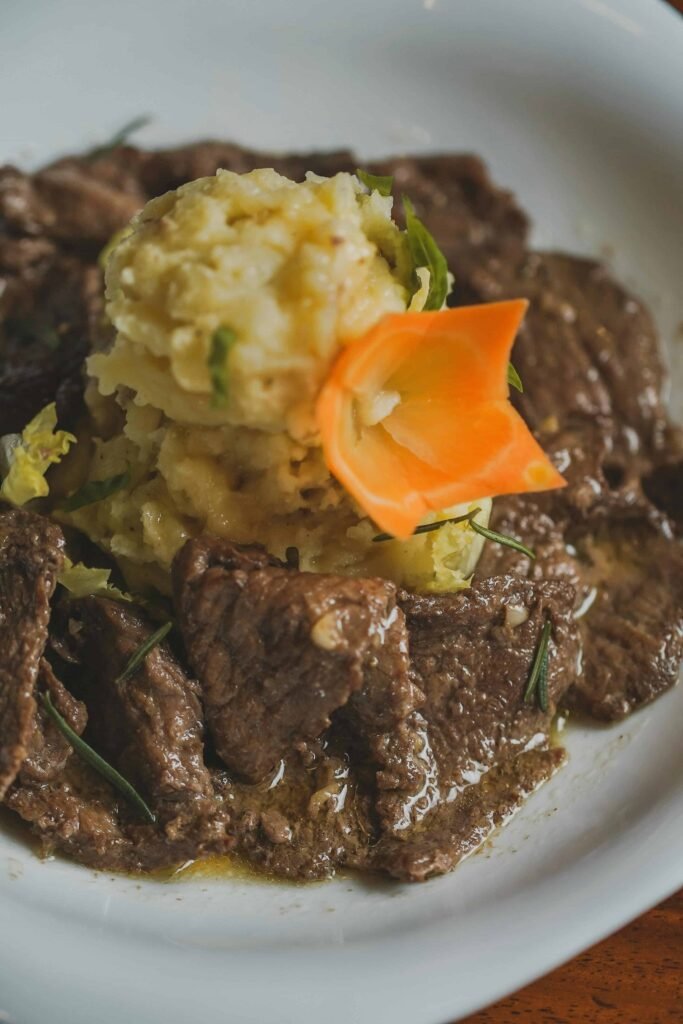
Choosing a lean cut of beef lets you tap into the benefits of high-quality animal protein (which is highly efficient for building/maintaining muscle). Pairing it with sweet potato mash adds a moderate-GI carbohydrate, which supports fullness by providing slow-digesting energy rather than a quick spike-and-crash. High-protein meals like this help maintain lean mass during calorie-controlled phases and improve overnight recovery.
Why it works?:
- High-quality, complete protein: Lean beef contains all essential amino acids, making it very effective for muscle maintenance and recovery. Studies show that beef protein can stimulate muscle protein synthesis, especially when combined with strength training. (1) (2) (3)
- Nutrient-rich: In addition to protein, lean beef provides important micronutrients like iron, zinc, and vitamin B12, which support overall metabolic health. (1) (2)
- Sustained energy: The sweet potato mash offers moderate-GI carbohydrates, which digest more slowly than simple sugars, providing a steady energy release and helping prevent a rapid blood sugar spike and drop.
Tips:
- Choose lean cuts, such as top sirloin, eye of round, or flank steak, to minimize saturated fat. (1)
- Season the steak simply—salt, pepper, and maybe a splash of garlic or rosemary—to let the natural flavor shine while keeping preparation easy.
- For the sweet potato mash, use a little olive oil or a small pat of butter, and mash with some skin on for extra fiber and nutrients.
- Add a side of steamed green vegetables (like broccoli or green beans) to boost fiber, which further prolongs fullness.
8.Turkey Tenderloin + Apple-Cabbage Slaw
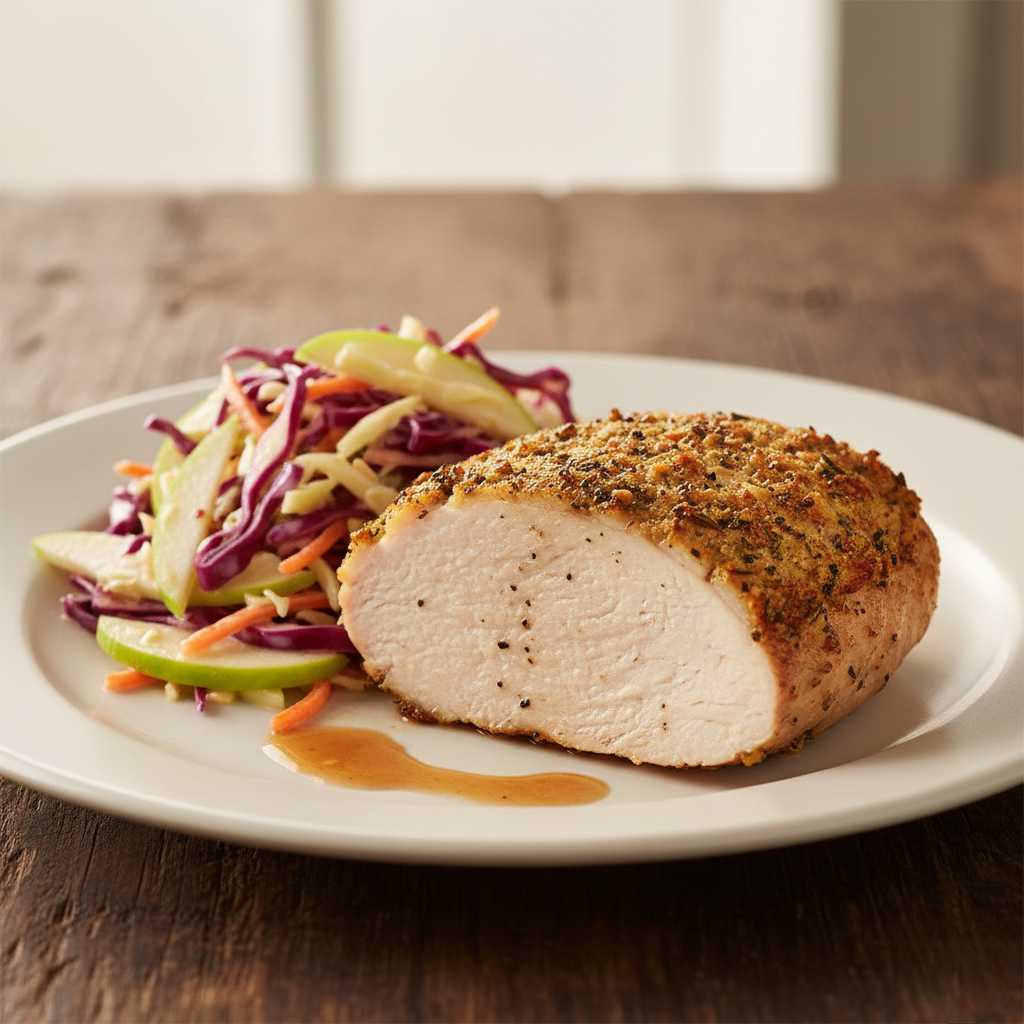
Lean turkey tenderloin is one of the smartest choices for a high-protein dinner — it’s remarkably lean yet delivers around 25 grams of protein per 3-ounce serving, making it a potent muscle-builder without excess fat. This clean, slow-digesting protein helps trigger satiety hormones and supports overnight recovery. Paired with a crunchy apple-cabbage slaw, the meal adds water-rich vegetables and fiber — both of which physically expand in your stomach and slow digestion, helping you feel full and satisfied late into the evening. Cabbage itself is packed with micronutrients like vitamin C and vitamin K, plus fiber that promotes digestive health. (1) The natural sweetness of apple balanced with tangy vinegar or a light dressing gives a flavor contrast that makes the meal rewarding, all without relying on heavy sauces or calorie-dense sides.
Why It Works? / Benefits:
- Lean, high-quality protein: Turkey tenderloin (or turkey breast) is very lean and provides a high protein content with minimal saturated fat. According to dietitians, skinless turkey breast is one of the leanest meat choices. (1)
- Satiety + muscle support: Like other lean meats, turkey helps stimulate appetite-suppressing hormones and supports muscle maintenance, especially when eaten in a high-protein dinner.
- Balanced side with fiber: Keeping the apple-cabbage slaw retains the original side’s benefits — fiber from cabbage and crunch + natural sweetness from the apple — to add volume and slow digestion, which helps keep you full into the night.
- Nutrient-dense: Turkey is also a good source of B vitamins, selenium, and zinc, contributing to both metabolic health and recovery. (2)
Tips:
- Trimming & Prep: Trim any visible fat from the turkey tenderloin, then season it with herbs like rosemary or thyme, plus garlic, salt, and pepper.
- Cooking Method: Roast or grill the turkey for a simple, clean finish. Use a meat thermometer: turkey tenderloin is typically safe to cook to 165°F (74°C).
- Slaw Dressing: Make the slaw with shredded cabbage and grated apple, dressed lightly with apple cider vinegar, a little olive oil, and a pinch of salt. Let it sit for 10-15 minutes so flavors meld.
- Make-Ahead: You can make the slaw in advance (e.g., morning or day before) — that helps with quick dinner prep.
- Portioning: Serve moderate turkey portions (e.g., 100–150 g) and pair with a generous helping of slaw to maximize satiety without overloading on calories.
9.Greek Yogurt-Marinated Chicken Bake + Spinach
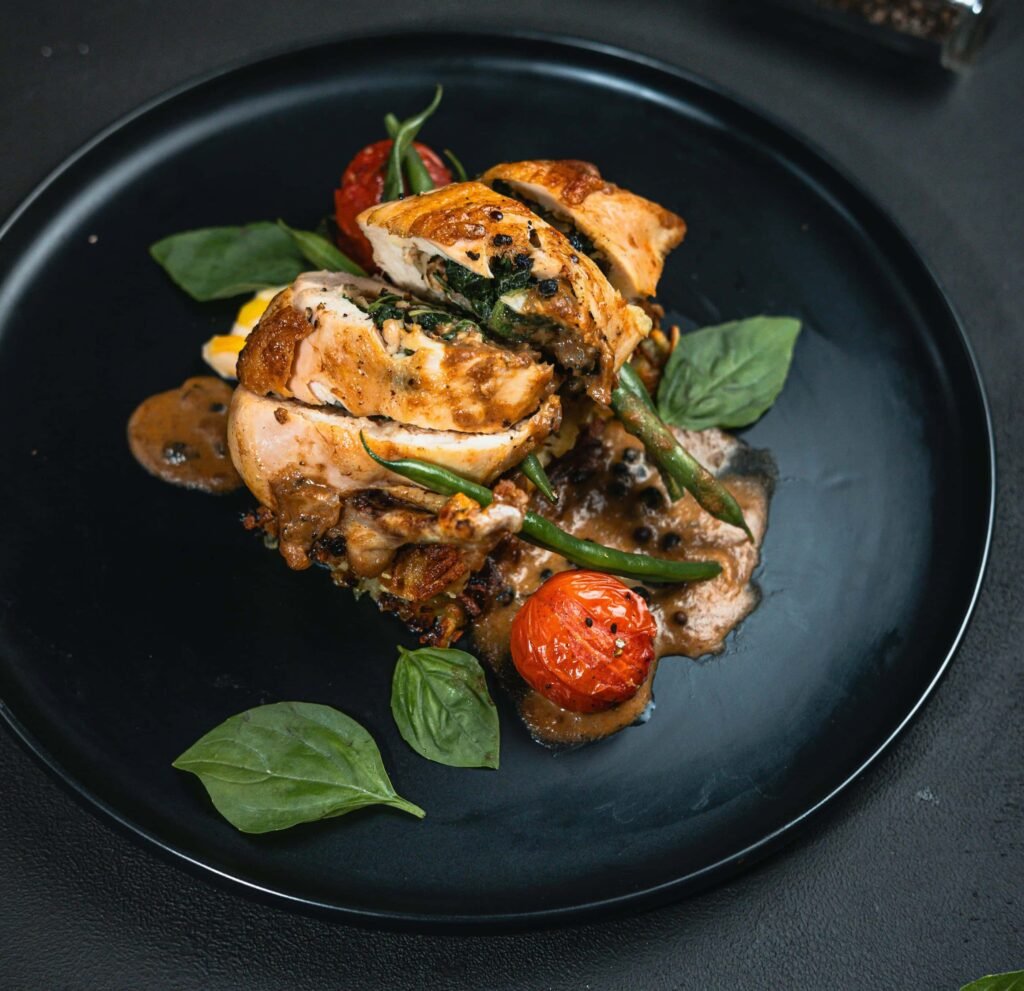
Marinating chicken in Greek yogurt not only adds flavor but also ups the protein content of the dish (Greek yogurt is rich in protein). This method helps tenderize the chicken and embeds protein in both the marinade and the meat. Serving it with wilted spinach brings micronutrients and a low-calorie volume side that helps you feel full. This combination supports healthy eating habits and fullness without feeling heavy.
Why it works:
- Extra protein from the marinade: Using Greek yogurt as a marinade does more than add flavor — it adds extra protein, since Greek yogurt is high in casein and whey (or similar milk proteins), depending on the variety.
- Tenderizes the meat: The acidity and enzymes in yogurt help tenderize the chicken, making it juicier and more palatable.
- Voluminous, nutrient-packed side: Spinach is very low in calories but high in volume, micronutrients (like iron and magnesium), and fiber; it helps fill your plate and extend fullness without heavy carbs.
Tips:
- Marinate the chicken for at least 30 minutes (or up to a few hours) in the Greek yogurt mixed with herbs (like thyme, garlic, and lemon) to maximize flavor and tenderness.
- Bake the chicken in a single sheet pan or casserole dish for easy cleanup.
- Wilt the spinach quickly: sauté a handful in a pan with garlic and a little olive oil just until bright green — it takes just minutes.
- For added texture, you can sprinkle some toasted pine nuts or slivered almonds over the spinach after cooking.
10.Cod Fillet + Lentil Salad
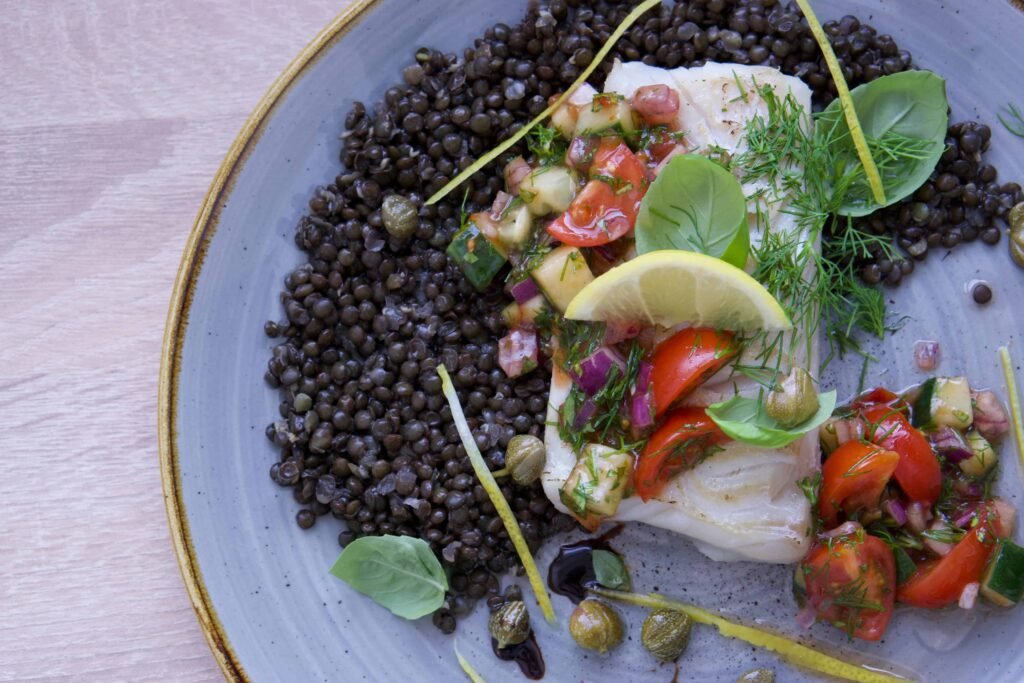
Cod is a lean white fish that still offers a solid protein dose, making it ideal for a lighter dinner. Combined with a lentil salad, you add fiber, plant protein, and slow-digesting carbs. The lentils’ fiber helps maintain fullness, supports gut health, and stabilizes blood sugar. This dish is particularly useful on nights when you want something lighter but still foolproof.
Why it works?:
- Lean fish protein: Cod is a very lean, low-fat fish, but still offers a substantial amount of high-quality protein — great for muscle recovery and satiety.
- Fiber from lentils: Lentils are high in both protein and dietary fiber, which helps slow digestion and prolong the feeling of fullness.
- Blood sugar stability: The combination of lean protein (cod) and complex carbohydrates + fiber (lentils) supports slow, steady digestion, which can help regulate your blood sugar and avoid energy crashes.
Tips:
- Season the cod with lemon, garlic, and herbs (dill or parsley) before baking or pan-searing.
- Cook lentils ahead of time: use green or brown lentils, simmer in low-sodium broth for more flavor, and drain well.
- Toss your lentil salad with diced onion, chopped parsley, a drizzle of olive oil, a splash of vinegar (balsamic or red wine), and a pinch of salt.
- Serve the cod on top or next to the lentil salad, so each bite gives a mix of protein and fiber.
11.Cottage Cheese & Vegetable-Stuffed Peppers
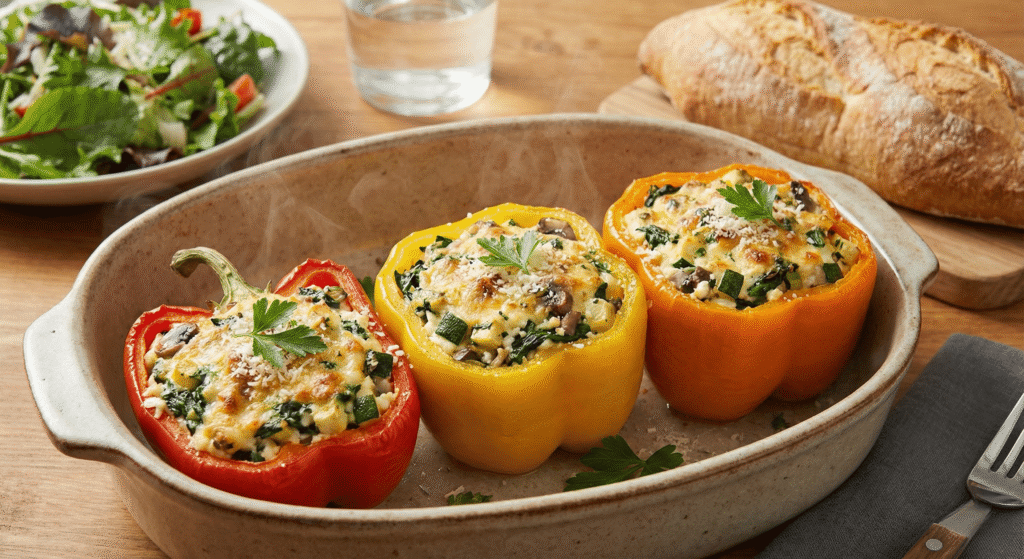
Cottage cheese is an underused protein powerhouse for dinner—high in casein, which digests more slowly than whey and can keep you full longer. Mixing it into stuffed peppers adds vegetables (volume, fiber) and makes the meal feel hearty. Slow-digesting proteins like casein support overnight recovery and reduce the likelihood of waking up hungry.
Why it works:
- Slow-digesting casein protein: Cottage cheese is rich in casein, a type of protein that digests slowly compared to whey. Slow digestion helps maintain amino acid levels in the blood longer, supporting overnight recovery and reducing hunger later. (1) (2)
- Vegetable volume and fiber: Stuffed peppers add a lot of volume and fiber for relatively few calories; they make the meal feel larger and more satisfying.
- Micronutrients: Peppers are packed with vitamins (especially vitamin C) and antioxidants, while cottage cheese provides calcium, helping support bone health.
Tips:
- Use bell peppers (any color) — cut the tops off, remove seeds, and blanch or roast them briefly to soften before stuffing.
- Mix cottage cheese with chopped veggies (like spinach, tomatoes, or zucchini), herbs, and a small amount of seasoning (salt, pepper, paprika) before stuffing.
- Bake the stuffed peppers in the oven until the peppers are tender and the filling is warmed through (about 20–25 minutes).
- Optionally top with a sprinkle of low-fat cheese or nutritional yeast for extra flavor and a protein boost.
12.Turkey & Black Bean Chili
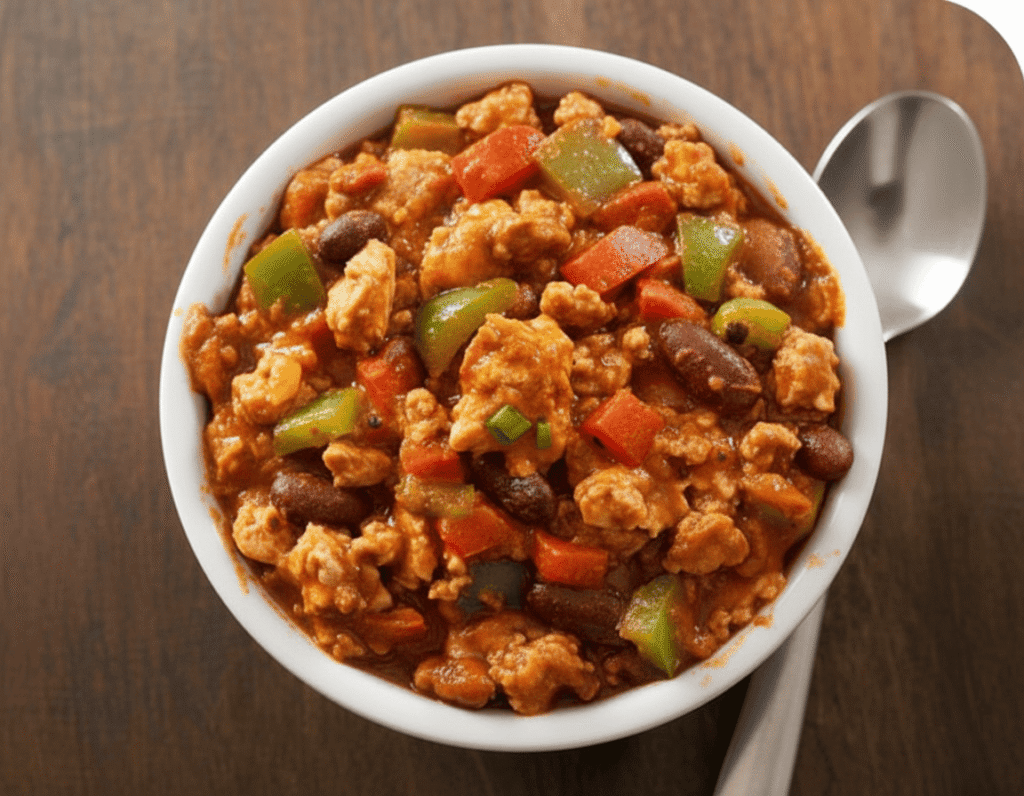
A chili built on lean ground turkey and black beans delivers dual protein sources (animal + plant) and lots of fiber. Fiber slows digestion, protein triggers fullness signals, and the chili format means you’re getting a warm, satisfying volume meal. This kind of dinner supports better hunger control and helps avert unhealthy evening snacking.
Why it works:
- Dual protein sources: Lean ground turkey provides high-quality animal protein, while black beans add plant-based protein and a generous dose of fiber. This combination enhances total protein intake and slows digestion.
- High satiety: The fiber from beans slows gastric emptying and enhances fullness, while the protein triggers hunger-suppressing hormones.
- Batch-friendly: Chili is very practical — you can cook a large pot and eat it for several meals, which reinforces consistency in your high-protein dinner habit.
Tips:
- Use lean ground turkey and brown it well to build flavor.
- Add aromatics like onion, garlic, bell pepper, and spices (cumin, chili powder) early in cooking for depth of flavor.
- Use canned black beans (rinsed) or cook dried beans ahead to save time; beans contribute texture and bulk.
- Simmer the chili so flavors meld — and if you want to boost protein further, stir in a scoop of plain Greek yogurt or a dollop of low-fat sour cream when serving.
13.Tempeh Stir-Fry with Broccoli & Mushrooms
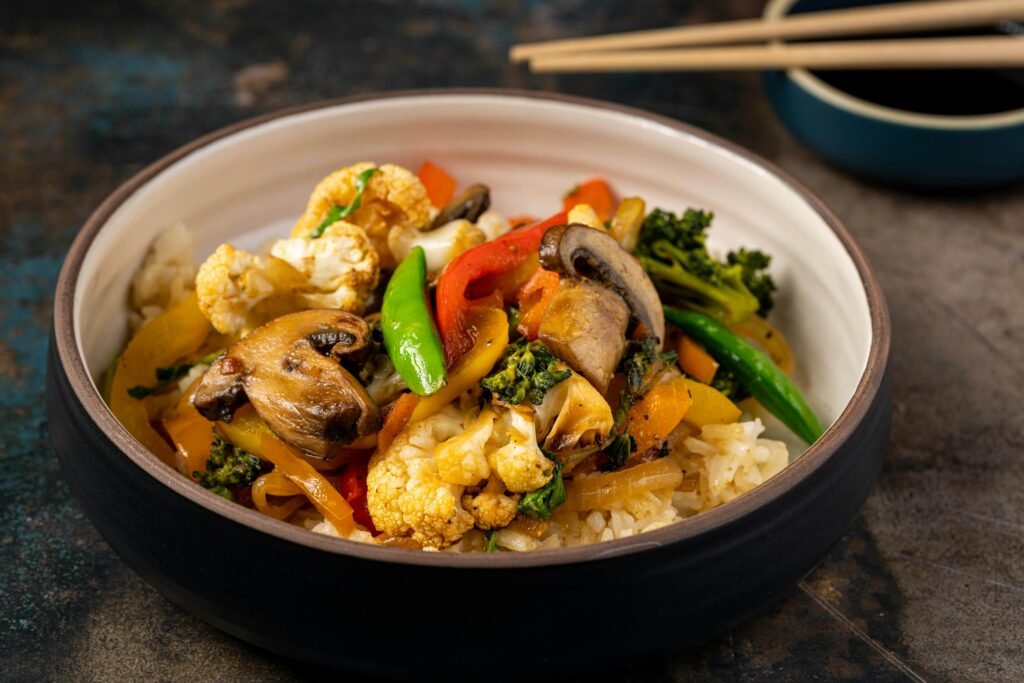
Tempeh is a fermented soy product that offers a high-protein, high-texture plant option. Paired with broccoli & mushrooms, you get fiber, micronutrients, and a savory, filling meal. Plant-based, high-protein dinners like this can rival animal-based ones for fullness and sustainability. Keeping variety in your dinner ideas helps you stick with the habit long-term.
Why it works:
- High-protein, plant-based source: Tempeh is made from fermented soybeans and typically provides around 18–20 g of protein per 100 g. It’s a very effective way to get a complete protein from a plant-based source. (1)
- Fermentation benefits: Because tempeh is fermented, it has improved digestibility, lower levels of antinutrients (like phytic acid), and potentially beneficial probiotics, which support gut health.
- Fiber and volume from veggies: Broccoli and mushrooms provide fiber, micronutrients, and water volume, all of which help slow digestion and increase satiety.
Tips:
- Press the tempeh before cooking (if needed) to remove excess moisture; then cut it into bite-sized cubes or thin slices.
- Marinate or season tempeh with a mix of low-sodium soy sauce (or tamari), ginger, and a splash of sesame oil for flavor.
- Stir-fry broccoli and mushrooms first until tender, then add the tempeh and cook until lightly browned.
- Finish with a sprinkle of sesame seeds, fresh green onions, or a squeeze of lime to brighten the dish.
14.Baked Haddock + Cauliflower Rice
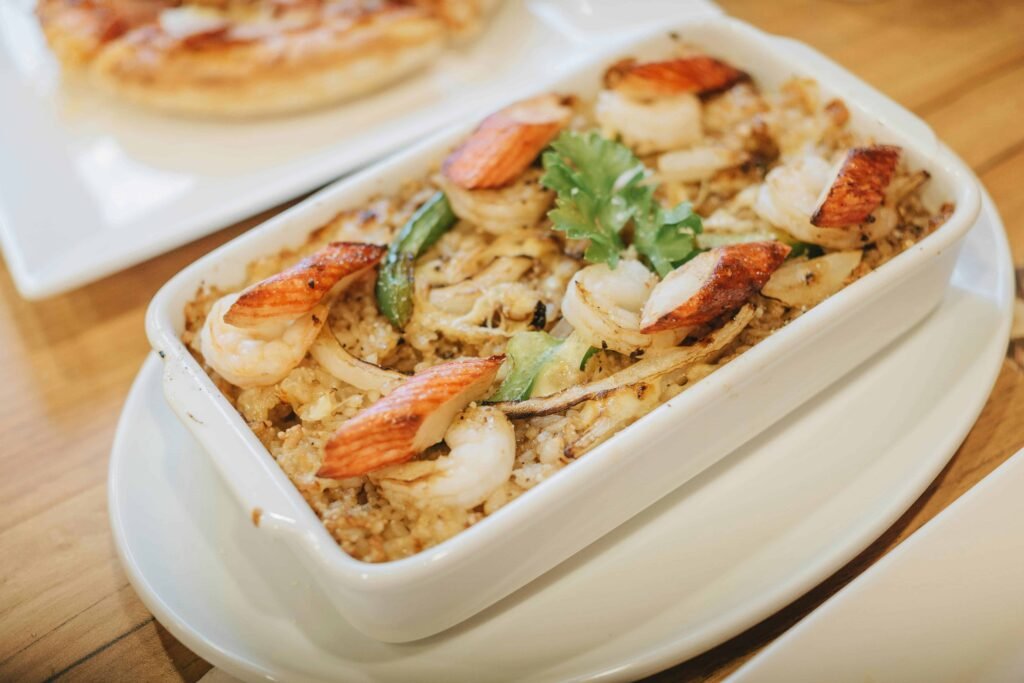
Haddock gives you a lean fish option with high protein, and cauliflower rice drastically reduces carb density while giving you bulk. The combination means you enjoy a full plate, lots of volume, and strong protein—with fewer calories—and are much less likely to feel hungry later.
Why it works/ benefits:
- Haddock is a lean, high-quality protein source: about 20 g of protein per 100 g. (1) (2)
- It’s very low in fat, which makes it nutrient-dense without being calorie-heavy. (1)
- Haddock is also rich in selenium and phosphorus, micronutrients that support antioxidant defenses and bone health. (1) (2)
- Cauliflower rice adds bulk and volume to the meal, but without many calories or carbohydrates, which helps you feel like you’re eating more while keeping glycemic load flexible.
Tips to maximize fullness & flavor:
- Roast or bake the haddock with a squeeze of lemon and some herbs like parsley or dill — this keeps the preparation simple but flavorful.
- Steam or lightly sauté the cauliflower rice with garlic and a splash of olive oil; the light fat helps with flavor and satiety.
- Serve with a side of greens or a small salad to add extra fiber, which further slows digestion and prolongs fullness.
15.Egg-White Frittata with Mixed Vegetables
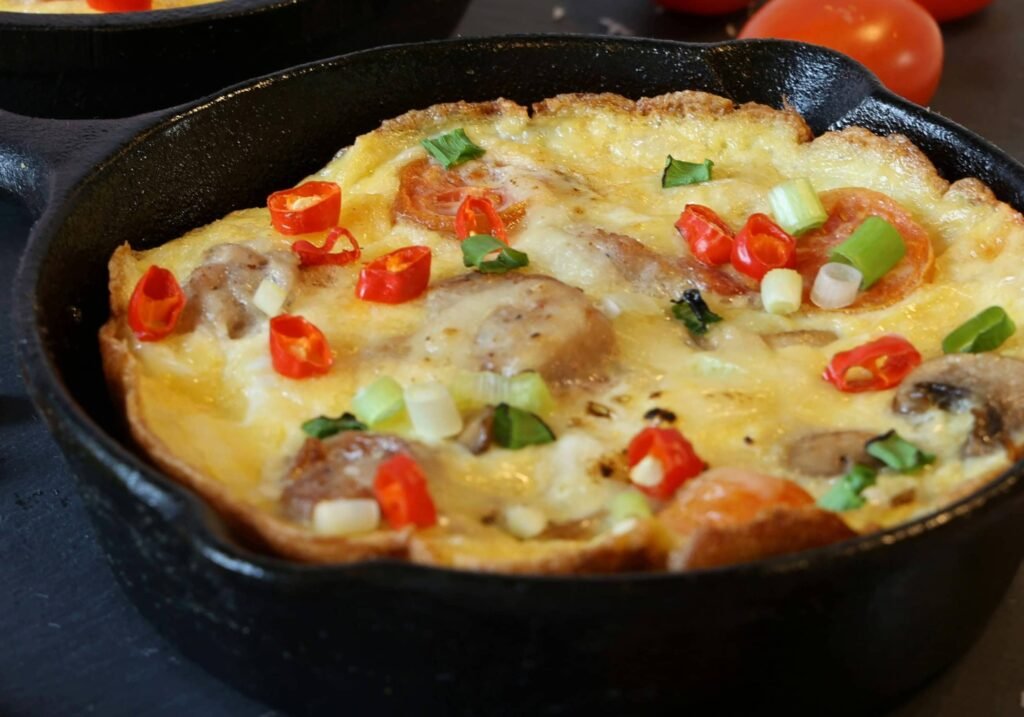
Egg whites deliver nearly pure protein. A frittata lets you pack in vegetables (fiber, color, volume) and build a dinner that’s both light and satisfying. With slower-digesting protein plus vegetable bulk, you give your body what it needs for overnight recovery and fullness. This is a great option when you’re tired or keeping things simple.
Why it works / benefits:
- Egg whites are nearly pure protein with very low calories, fat, and no cholesterol. (1)
- They’re very effective for satiety: studies show that consuming egg whites (vs. lower-protein meals) can reduce hunger later on. (1)
- Because you’re making a frittata, you can pack in a variety of vegetables, which not only add fiber and micronutrients but also volume — making the meal feel larger and more filling.
Tips to maximize fullness & flavor:
- Use a mix of fibrous vegetables like spinach, bell pepper, onions, and zucchini — these all cook quickly and add texture.
- Whisk in a little low-fat milk (or unsweetened plant milk) with the egg whites to improve the creaminess and help the frittata puff.
- Bake in a non-stick or lightly oiled skillet, and top with fresh herbs (like chives or basil) after cooking to boost flavor without extra calories.
16.Seared Tuna Steak + Asparagus
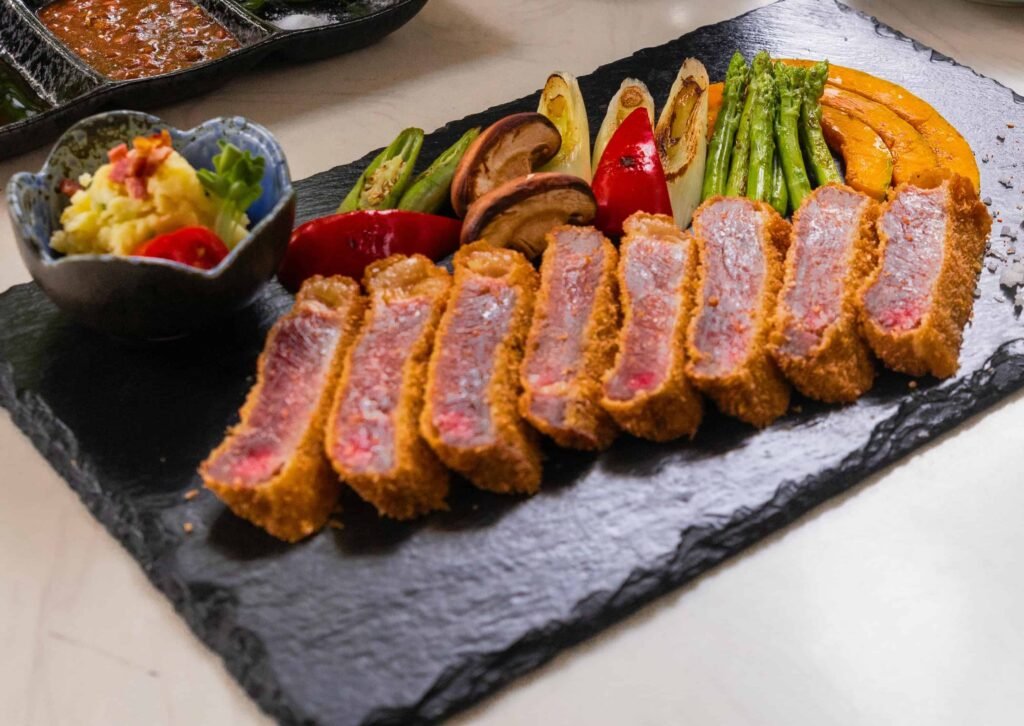
Tuna steak offers a high dose of protein and flavor in a relatively small portion. Because it cooks fast, it’s good for busy nights. Pairing it with asparagus gives you a fibrous, low-calorie side that keeps you feeling full. High-protein dinners like this are ideal when you want something premium but efficient for fullness and recovery.
Why it works / benefits:
- Tuna is extremely protein-rich. Depending on the type, you’re looking at about 24–29 g of protein per 100 g, making it one of the leanest yet densest protein sources. (1)
- It’s also a good source of omega-3s, which have anti-inflammatory properties and can support overall metabolic health.
- Asparagus adds fiber and a high water content, increasing volume and promoting a feeling of fullness.
- Tuna cooks very quickly (searing only 1–2 minutes per side in many cases), so it’s practical for weeknight meals.
Tips to maximize fullness & flavor:
- Season your tuna steak simply — sea salt, pepper, and a touch of sesame oil or lemon — so you don’t overpower its natural richness.
- Blanch or roast the asparagus lightly; toss with a small amount of olive oil and lemon zest to elevate flavor.
- Consider serving the tuna with a side of mixed greens dressed in a light vinaigrette to add volume and more fiber.
17.Chicken Sausage + Kale & Farro
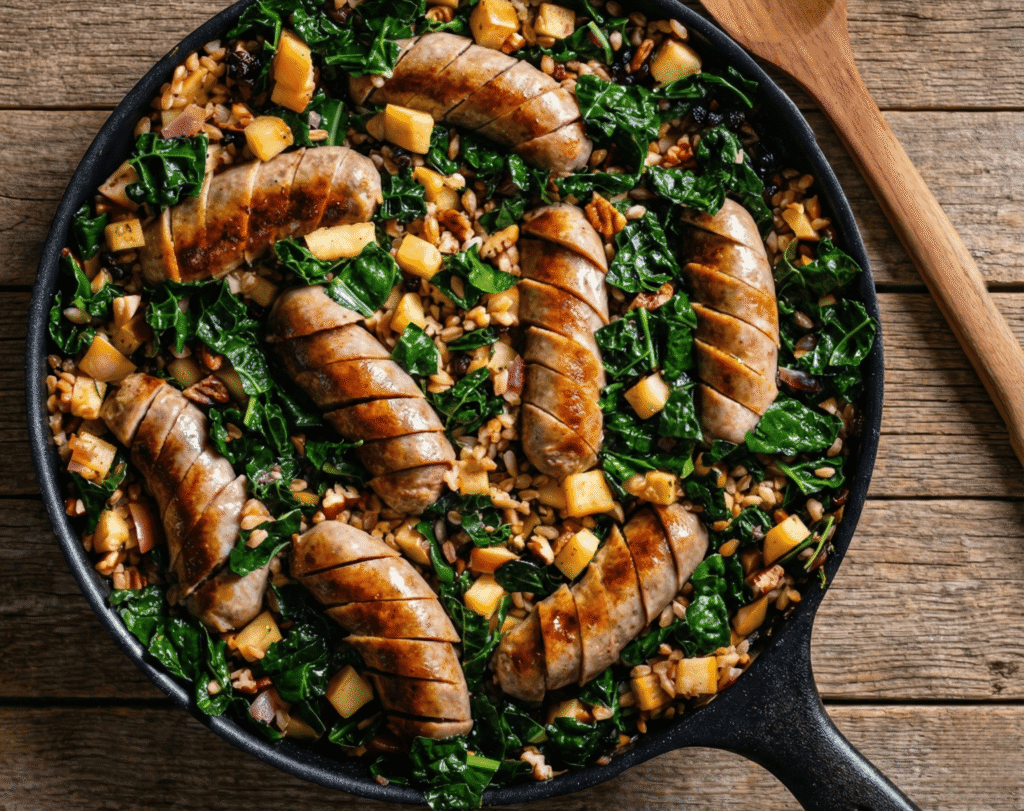
Choosing chicken sausage (check for lean varieties) gives you convenient, flavorful protein. Farro is an ancient grain with more protein and fiber than many typical grains. Kale adds bulk and nutrients. The combined effect: a satisfying dinner that supports fullness, uses whole-food ingredients, and aligns with a high-protein strategy.
Why it works / benefits:
- Chicken sausage (especially lean varieties) offers a high-protein boost (~18–20 g per 100 g) while being lower in fat than traditional pork sausage. (1)
- Farro is an ancient whole grain that provides fiber, complex carbs, and roughly 6 g of protein per ¼ cup, making it a nutritionally dense complement. (1)
- Kale is a nutrient powerhouse: it brings fiber, vitamins K and C, and antioxidants — all of which contribute to fullness and long-term health. (1)
- Combined, this meal delivers a balanced ratio of protein, moderate carbs, and fiber — making it very satiating.
Tips to maximize fullness & flavor:
- Use chicken sausage with minimal additives or nitrates if possible, or make your own by using ground chicken and spices.
- Cook farro in low-sodium broth instead of plain water to boost flavor, and finish with a drizzle of olive oil.
- Wilt kale in a pan with garlic just until bright green; this preserves its nutrients and texture without making it too mushy.
- Combine everything in a bowl: sliced sausage + farro + kale, then finish with a squeeze of lemon or a pinch of red pepper flakes to bring brightness.
18.Vegan “Meatloaf” made with Black Beans + Oats
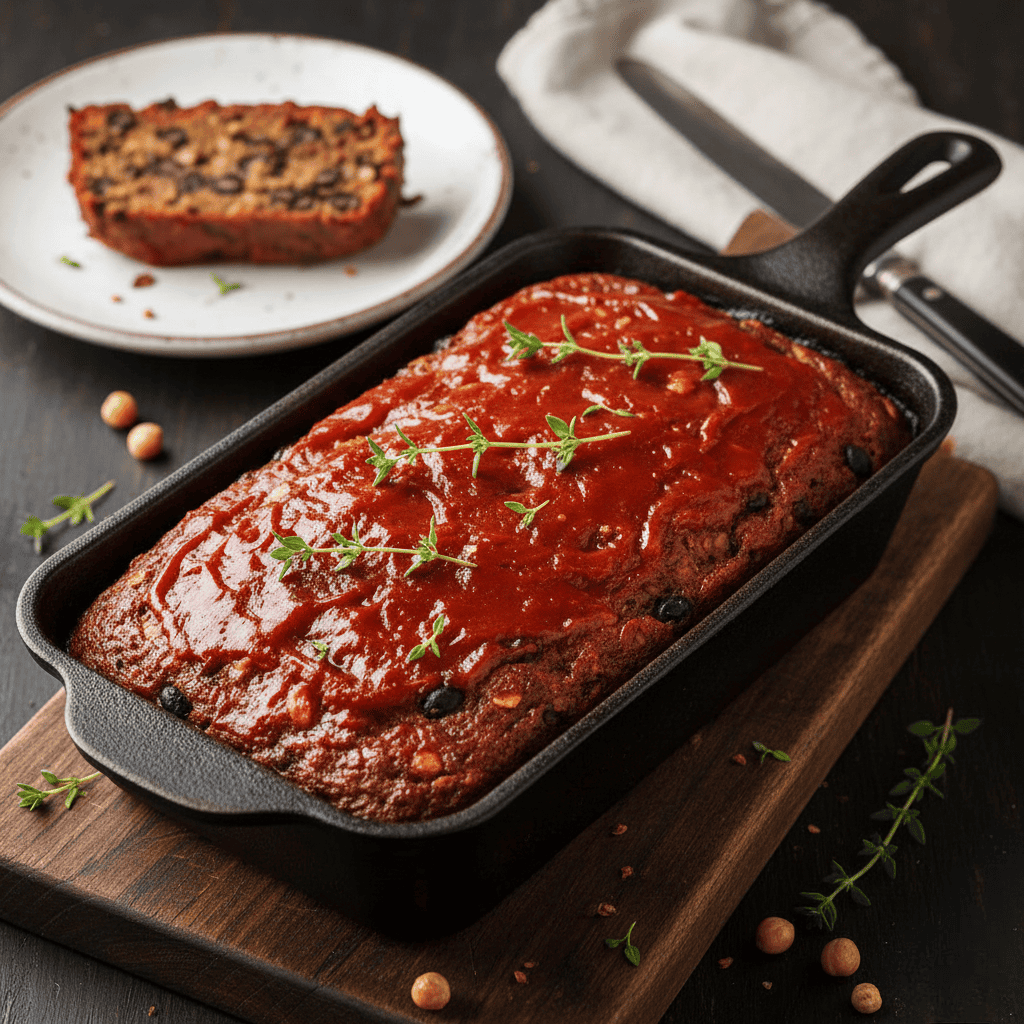
For a fully plant-based dinner, a black-bean & oat loaf gives you high fiber, plant protein, and slow-digesting nutrients. Plant-based high-protein dinners enhance fullness thanks to fiber and protein synergy. Plus, this kind of option supports dietary variety and may help with long-term adherence.
19.Salmon Cakes + Green Bean Almondine
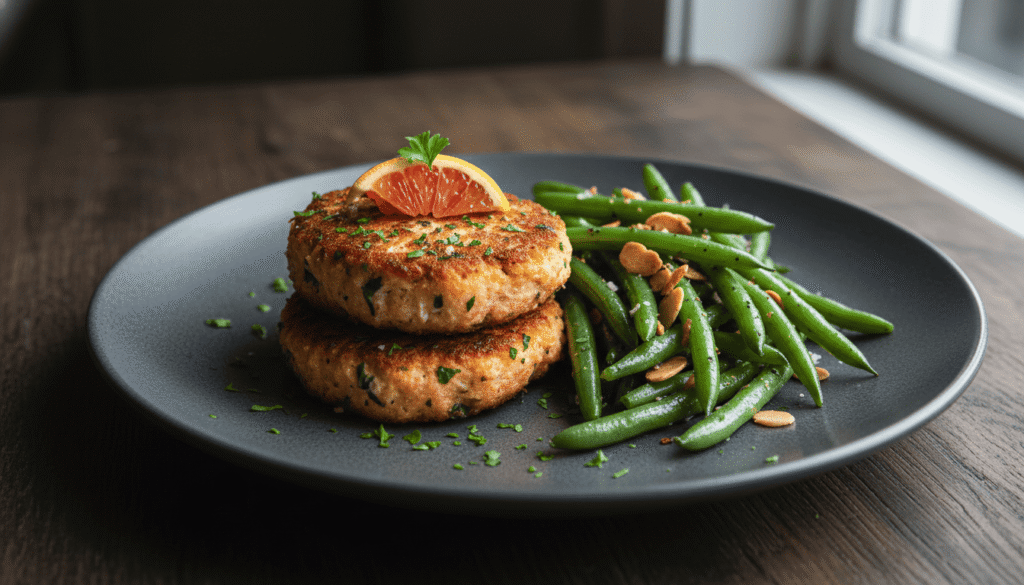
Taking salmon into a different format (cakes) still delivers strong protein + omega-3s. Green beans with slivered almonds add fiber + healthy fats—which slow digestion and promote fullness. This dinner idea is both satisfying and smart for overnight muscle recovery and hunger control.
20.Grilled Lamb Chops + Minted Pea Purée
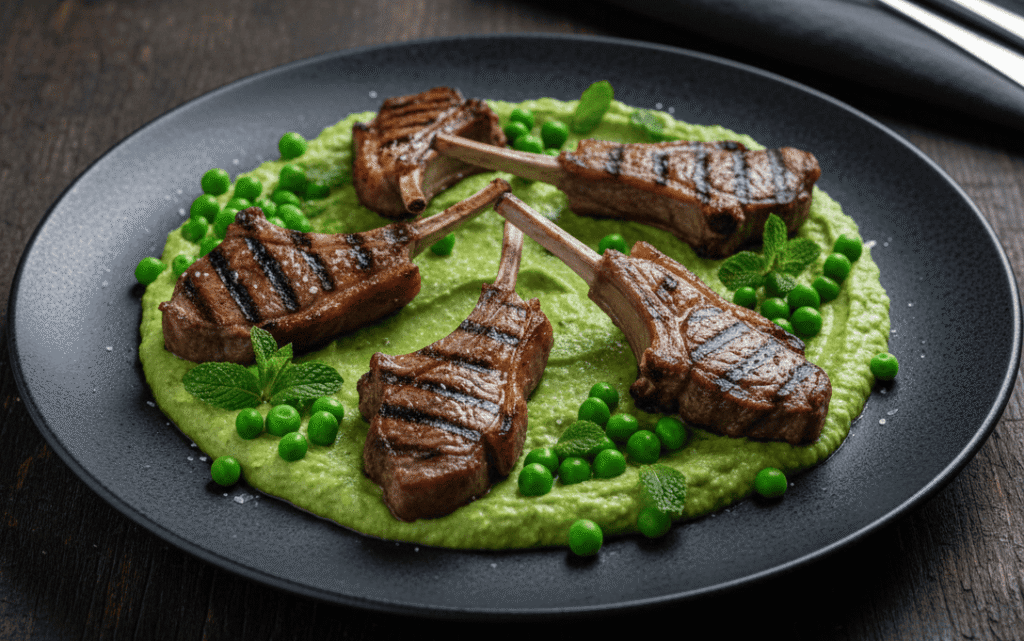
Leaner-cut lamb chops provide high-quality animal protein with flavor and appeal. The minted pea purée gives you fiber, some plant protein, and freshness. Pairing flavorful animal protein with a volume-rich side creates satisfaction and fullness without overdoing calories. This dinner is perfect for a slightly elevated evening meal while still aligning with fullness goals.
The Power of Protein: Why It Keeps You Feeling Full
Understanding Satiety: How Protein Works
When you eat a high-protein meal like one of the ideas above, your body initiates several reactions: increased levels of appetite-suppression hormones (such as GLP-1 and PYY), reduced ghrelin (the hunger hormone), higher diet-induced thermogenesis, and slower gastric emptying. (1) (2)
For example, one meta-analysis found that higher-protein diets significantly increased satiety and resting energy expenditure compared to lower-protein diets. (3) (4)
This means that by choosing dinner meals built around quality protein, you’re not just eating to appease hunger—you’re strategically fueling fullness and metabolism.
Beyond Just Fullness: The Benefits of High-Protein Dinners
High-protein dinners do more than satisfy your evening hunger. They contribute to:
- Muscle repair and growth (especially if you’ve trained earlier in the day) (1)
- Lean mass preservation during calorie-controlled phases or aging (2)
- Better sleep and overnight recovery thanks to more stable blood-glucose and amino-acid levels
- Reduced late-night snacking and smarter overall calorie-control
Because you’ve already addressed your morning and midday with your pillars on breakfast and lunch, this dinner section completes a full-day strategy of protein timing and satiety.
Foundations of Effortless High-Protein Cooking
Essential High-Protein Pantry Staples for Quick Dinners
To make easy high-protein dinners a reality rather than a chore, stock your pantry/fridge with staples like: canned beans (black beans, chickpeas), Greek yogurt, cottage cheese, tofu/tempeh, quinoa/farro, lean frozen fish fillets, frozen chicken breasts, canned tuna, and nut/seed butters.
These staples allow one-pan or quick reheat meals that hit the protein goal without major effort.
Smart Cooking Methods for Speed & Simplicity
Efficiency matters when you’re tired after a busy day. Some helpful methods:
- One-sheet pan dinners (protein + veggies roasted together)
- Stir-fries using pre-cut veggies + quick-cook lean protein
- Batch-cook a large portion of lean protein (grilled chicken, turkey meatballs) early in the week and reuse for multiple meals.
- Use frozen/pre-washed veggies and simple sauces to reduce prep
Such methods allow you to deliver those dinner ideas above without spending hours.
Flavor Power-Ups: Elevating Taste with Minimal Effort
High-protein doesn’t mean bland. Use simple flavor enhancers like citrus zest, herbs (parsley, cilantro, basil), spice blends (smoked paprika, cumin, chili flakes), low-sodium soy or tamari, garlic/ginger, and healthy dressings. These small boosts make your meal satisfying—not just nutritionally strong but tastily strong.
Maximizing Satiety: Beyond the Dinner Plate
Smart Sides for Sustained Fullness
Pair your high-protein dinner with sides that promote fullness, such as steamed or roasted fibrous vegetables (broccoli, Brussels sprouts, green beans), legumes (lentils, chickpeas), whole grains in moderation (farro, quinoa), or a leafy greens salad. The combination of protein + fiber slows digestion and extends fullness.
Don’t Forget Healthy Fats!
While protein is central, healthy fats (such as avocado, olive oil, nuts/seeds) help nutrient absorption and provide mouth-feel and satisfaction. Including a small portion of fats ensures your dinner doesn’t feel utilitarian—and contributes to fullness and metabolic support.
Easy Meal Prep Strategies for Busy Weeknights
- Reserve 1 hour once or twice a week to grill/roast protein in bulk
- Pre-chop vegetables or use pre-cut frozen ones.
- Portion into containers: protein + veggie + optional grain
- On busy nights, just reheat and add a simple flavor-boost—done
- These strategies ensure you can pick any of the 20 meal ideas above and execute them reliably without resorting to fast food.
Embrace a Full & Satisfied Evening
Your Journey to Delicious, High-Protein Dinners Starts Now
You’ve now got a full roadmap: 20 easy dinner ideas, a clear understanding of why protein keeps you satiated, cooking foundations to make it easy, and strategies to amplify fullness beyond the plate. For a truly balanced day, remember your pillars on High Protein Breakfast and High Protein Lunch—they set the rhythm for your full-day protein strategy.
Now it’s time to choose your dinner, cook it simply but well, and head into the evening satisfied, strong, and ready for restful recovery. Your body—and your schedule—will thank you.