Many people start their day with quick carbs — cereal, pastries, or toast — and by mid-morning, they’re starving again. Those sugary breakfasts cause a spike in blood sugar followed by a crash, leaving you craving snacks.
Switching to a high-protein breakfast changes everything. Protein keeps you fuller longer, stabilizes blood sugar, and helps preserve muscle while losing fat. In fact, research shows that a high-protein breakfast can reduce cravings by up to 60% and cut late-night snacking by half compared to low-protein meals (Leidy et al., 2013).
This guide will show you why protein is essential, how much to eat, and 10 delicious breakfast ideas that support weight loss — plus tips, expert advice, and FAQs to help you create your perfect morning routine.
Understanding the Role of Protein in Weight Loss
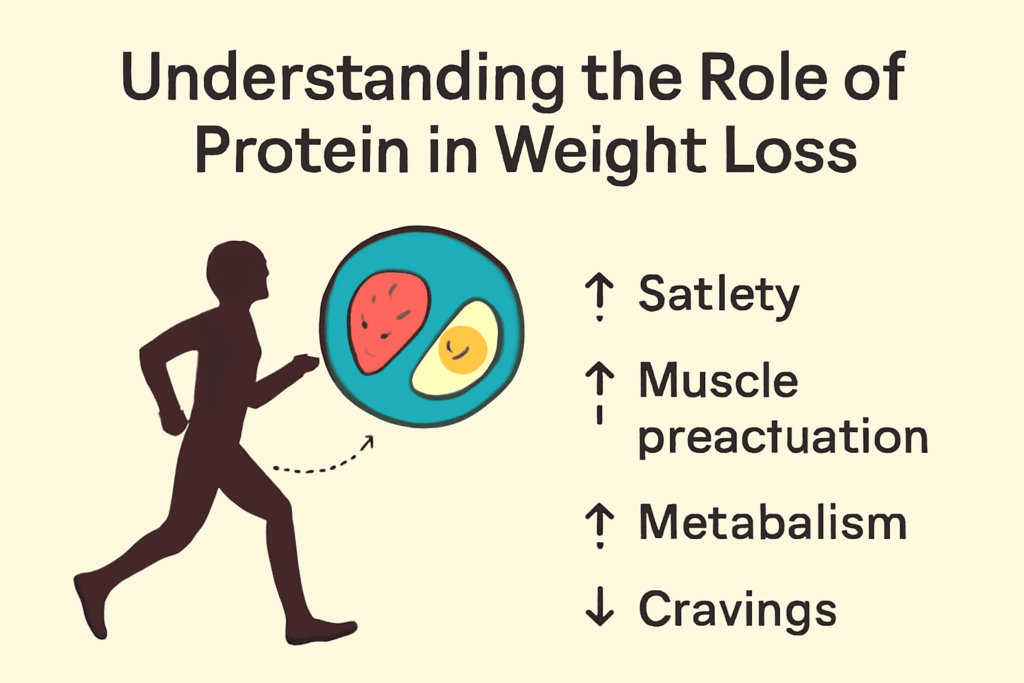
Protein is more than just a “muscle-building nutrient.” It is critical for sustainable weight loss because it:
1.Keeps You Full Longer
Protein increases satiety hormones like peptide YY and GLP-1 while reducing ghrelin, the hunger hormone. A high-protein breakfast can naturally reduce the urge to snack mid-morning and prevent overeating later in the day (Weigle et al., 2005).
2.Boosts Metabolism
Protein has a higher thermic effect of food (TEF) than carbs or fats, meaning your body burns 20–30% of protein calories just digesting it, compared to 5–10% for carbs (Food & Nutrition Research). Eating protein in the morning gives your metabolism an early boost.
3. Preserves Lean Muscle
During weight loss, you want to shed fat, not muscle. Adequate protein intake preserves lean body mass, which helps maintain a higher metabolic rate and prevents “yo-yo” weight gain (Paddon-Jones & Leidy, 2014).
Bottom line: A high-protein breakfast keeps you satisfied, revs your metabolism, and protects muscle — the foundation for lasting weight loss.
How Much Protein Should You Eat for Breakfast?

Most nutrition experts recommend 20–30 grams of protein per breakfast for optimal satiety and muscle maintenance (Moore et al., 2015). Here’s how that translates into common foods:
- 3 large eggs = ~18 g protein
- 1 cup Greek yogurt = ~20 g protein
- 1 scoop whey protein powder = ~25–30 g protein
A study in The American Journal of Clinical Nutrition found that spreading protein evenly across meals, including breakfast, is more effective for appetite control and muscle preservation than concentrating protein at dinner.
Tips for hitting your protein goal:
- Pair protein with fiber (berries, oats, vegetables) to slow digestion.
- Include healthy fats (nuts, avocado) for sustained energy.
- Use protein powders, Greek yogurt, eggs, tofu, or lean meats to reach 20–30g easily.
10 High-Protein Breakfast Ideas for Weight Loss
Here are 10 breakfast ideas to help you hit your protein goals while enjoying every bite. Each idea includes approximate protein content, benefits, and supporting science.
1.Greek Yogurt Parfait: A Creamy Start

Protein: ~20 g per cup
Greek yogurt is rich in protein and probiotics for gut health. Layer with berries, chia seeds, and a handful of nuts for fiber and healthy fats.
Why it works: High protein + fiber keeps you full and reduces cravings. A study in Nutrition Journal found that Greek yogurt improves satiety and preserves lean mass during weight loss.
Quick tip: Choose plain yogurt to avoid added sugar. Sweeten naturally with fruit or a drizzle of honey.
2.Protein-Packed Smoothies: Blend Your Breakfast
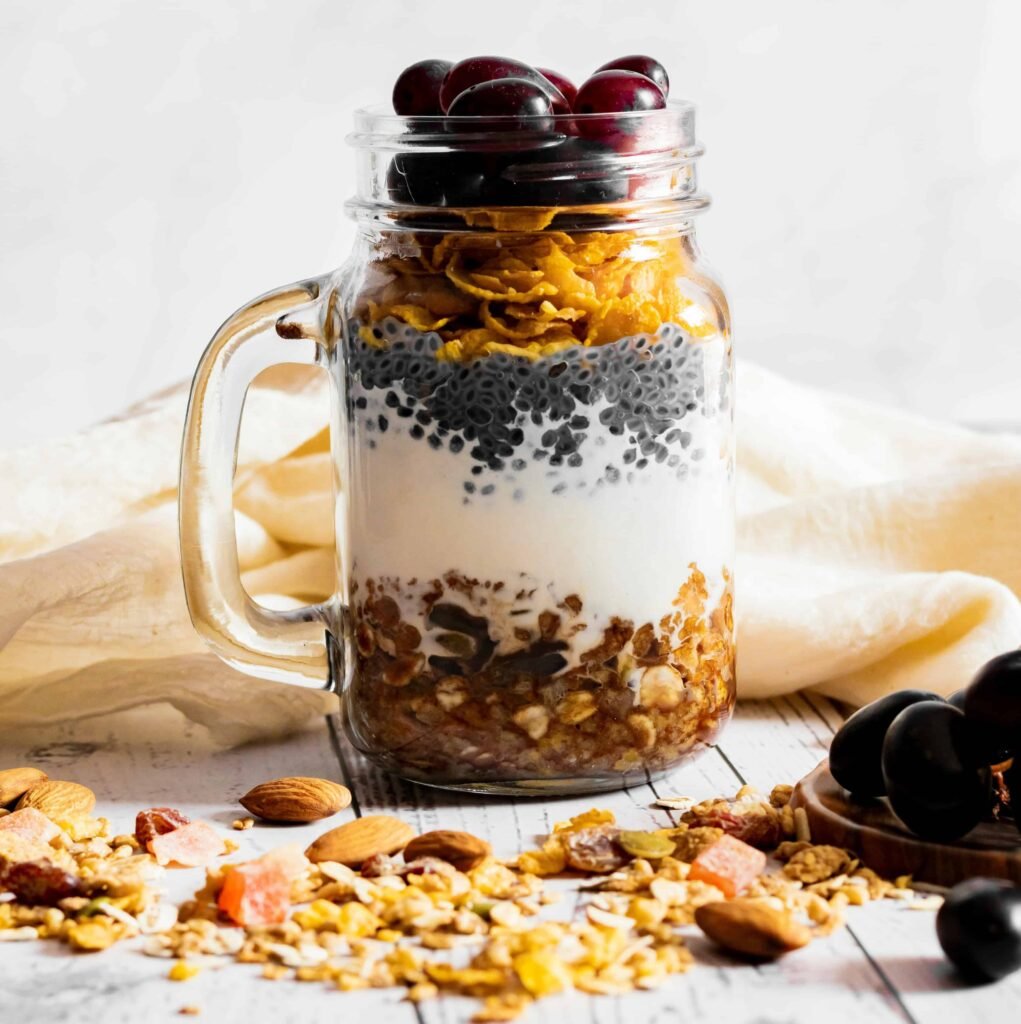
Protein: 25–30 g
Combine Greek yogurt, whey protein, banana, and oats for a blend-and-go breakfast. Add spinach or kale for fiber and micronutrients.
Why it works: Whey protein shakes reduce short-term food intake and keep you feeling full longer (pubMed).
Tip: Freeze the fruit ahead of time to create a creamy texture without ice.
3.Veggie and Egg White Omelet: A Flavorful Feast

Protein: ~25 g
Use 3 egg whites + 1 whole egg and add vegetables like spinach, mushrooms, and peppers.
Why it works: Eggs increase satiety and help regulate appetite throughout the day (Journal of the American College of Nutrition).
Tip: Cook with avocado oil for healthy fats that support metabolism.
4.Tofu Scramble: Vegan Brunch Favorite
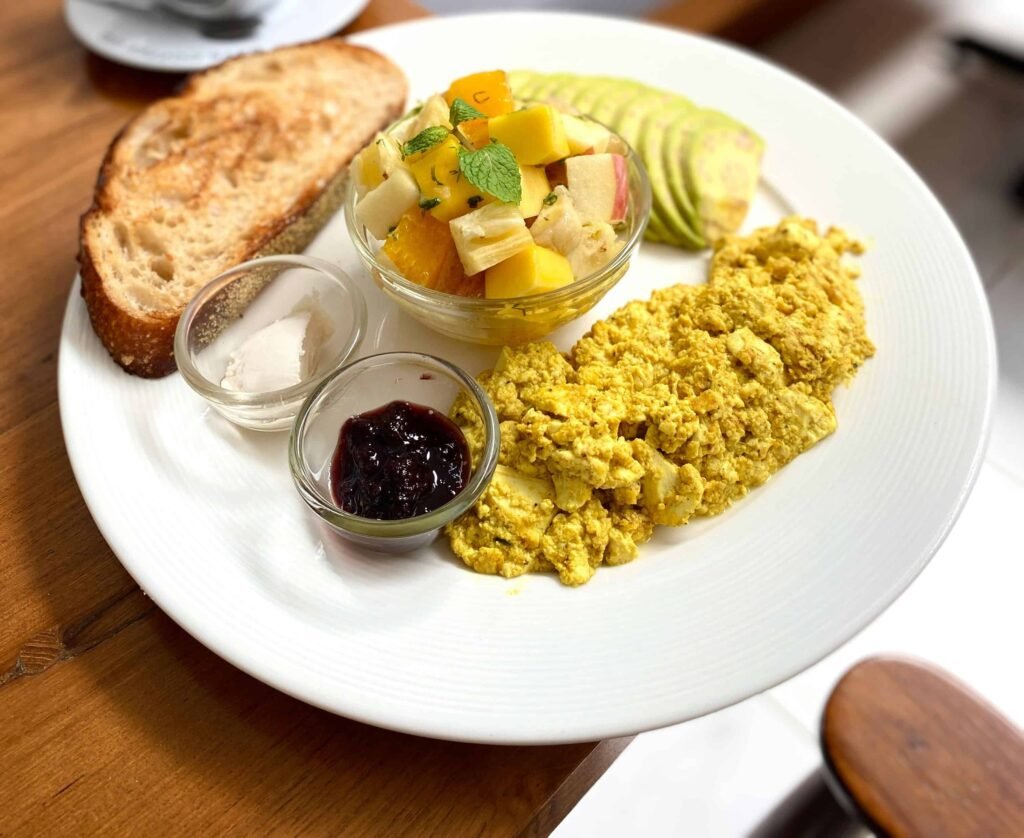
Protein: ~20 g per serving
Sauté crumbled tofu with turmeric, nutritional yeast, and your favorite vegetables. Serve with whole-grain toast.
Why it works: Plant-based proteins like tofu can preserve muscle mass and support weight loss when combined with balanced nutrition (Systematic Review, 2023).
Tip: Nutritional yeast adds B12 and a cheesy flavor without dairy.
5.Avocado Toast with Smoked Salmon: A Savory Treat

Protein: ~22 g
Top whole-grain bread with smashed avocado, smoked salmon, and a sprinkle of seeds.
Why it works: Salmon is a healthy food because it has complete protein and omega-3 fatty acids. These nutrients help your body burn fat and make you feel full. (PMC).
Tip: Use rye or sourdough bread for gut-friendly fiber.
6.Chia Seed Pudding: Nutrient-Rich and Filling
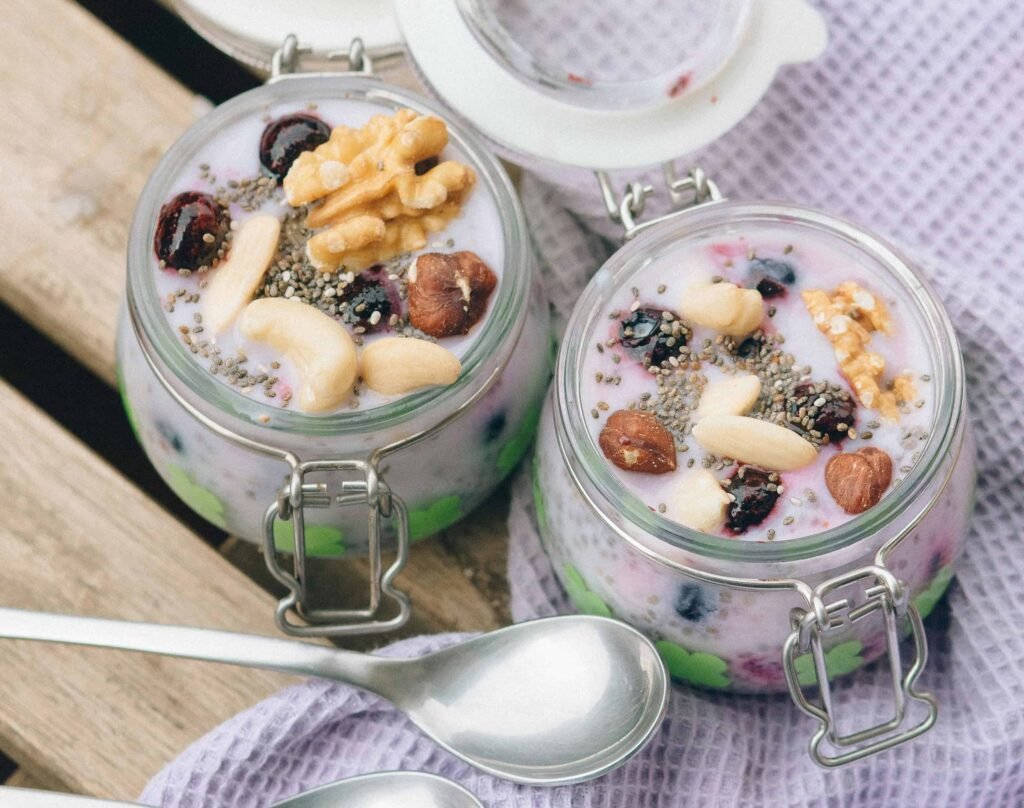
Protein: ~15–20 g (with protein powder or Greek yogurt)
Soak chia seeds overnight in almond milk and protein powder. In the morning, add berries and nuts on top.
Why it works: Chia seeds soak up liquid and expand, which helps you feel full for longer (Nutrition Research and Practice, 2017).
Tip: Prep 3–4 jars for the week to save time.
7.High-Protein Pancakes: Guilt-Free Indulgence
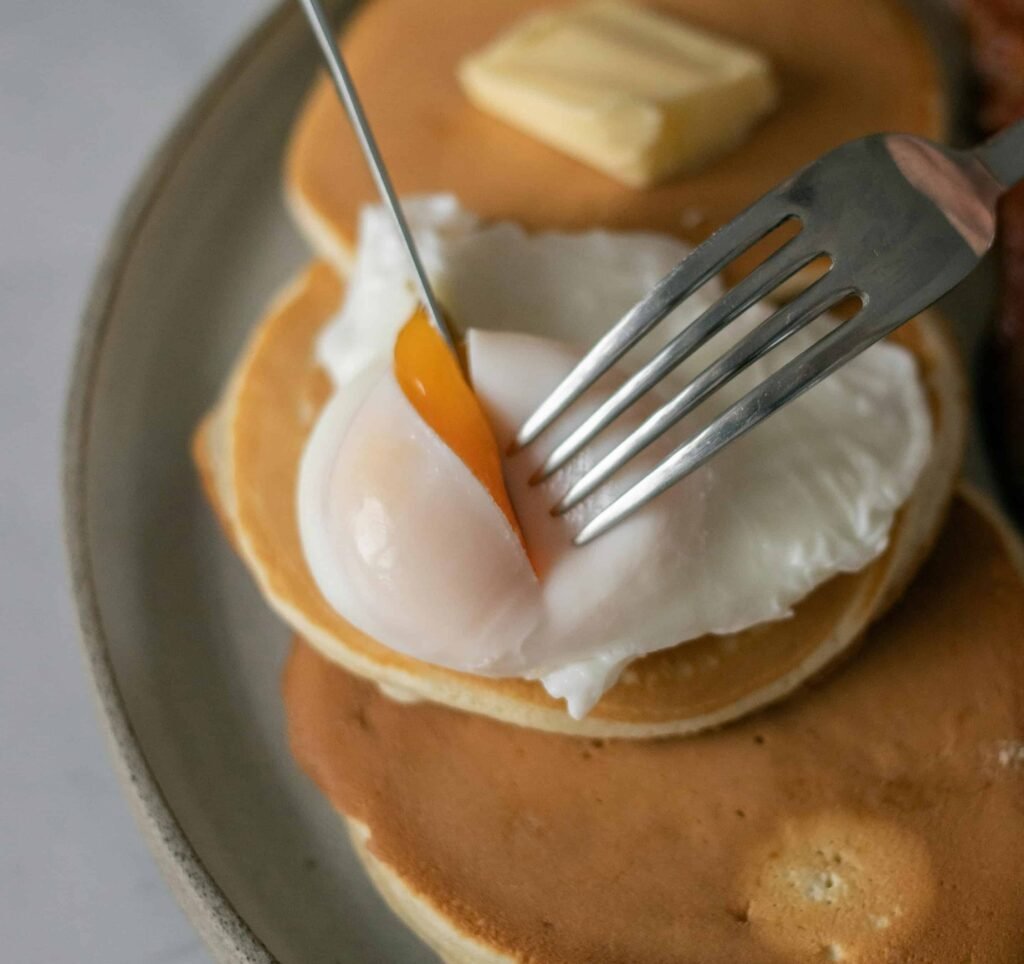
Protein: 20–25 g
Make pancakes with oats, banana, eggs, and protein powder. Serve with Greek yogurt or nut butter instead of syrup.
Why it works: Protein-enriched baked goods improve satiety and reduce calorie intake (Nutrients Journal, 2023).
Tip: Freeze leftovers for easy breakfasts later.
8.Cottage Cheese and Berries: A Quick and Easy Option
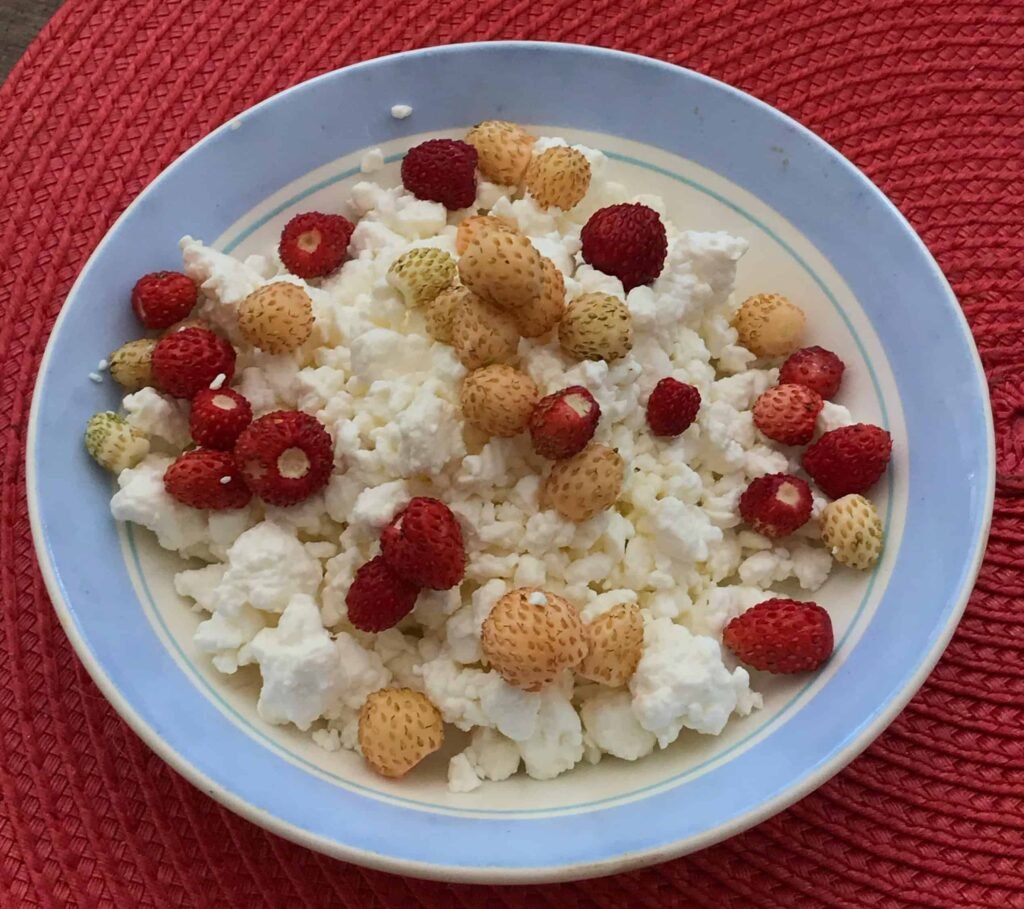
Protein: ~20 g per cup
Cottage cheese is high in casein protein, which digests slowly. This helps you feel full until lunchtime.
Why it works: Slow-digesting protein helps control hunger and maintain muscle during weight loss (healthline).
Tip: Add cinnamon or vanilla extract for natural sweetness.
9.Quinoa Breakfast Bowl: Plant-Based Power
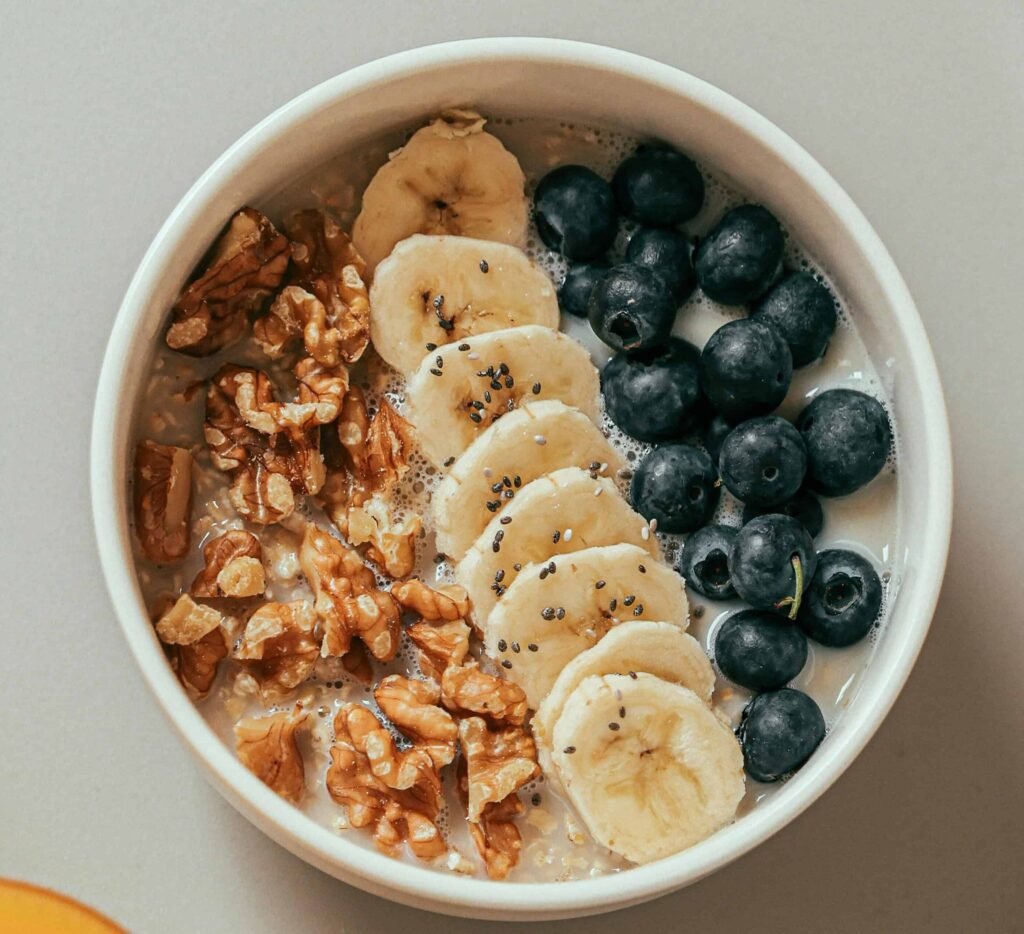
Protein: ~18–22 g
Cook quinoa in almond milk. Add a scoop of plant-based protein powder, berries, and nuts.
Why it works: Quinoa is a complete protein and has fiber. It gives you steady energy and helps you feel full (Food Science & Nutrition 2023).
Tip: Make a big batch for 3–4 days and store in the fridge.
10.Turkey and Spinach Wrap: Grab-and-Go Protein

Protein: ~25 g
Use a whole-grain wrap filled with sliced turkey, scrambled egg whites, spinach, and a bit of cheese.
Why it works: Lean meats and whole eggs are rich in complete protein; for instance, a study in AJCN (2017) showed that after resistance exercise, whole eggs stimulated more muscle protein synthesis than egg whites providing the same amount of protein.
Tip: Wrap tightly and refrigerate for an easy breakfast on busy mornings.
Role of Dietitians: Designing Balanced Meals

Dietitians emphasize that simply eating protein isn’t sufficient for a healthy breakfast. A balanced breakfast should include the following components:
– Protein: Helps keep you full and supports muscle health.
– Fiber: Aids digestion and promotes a feeling of satisfaction.
– Healthy fats: Provide energy and help maintain hormone balance.
Dietitians recommend adjusting your meals based on factors like age, gender, activity level, and health goals. Consulting a professional can help ensure you don’t miss essential nutrients and that your high-protein breakfast effectively supports your weight loss goals.
Tips to Boost Your Breakfast for Weight Loss

1. Add fiber: berries, oats, vegetables
2. Hydrate: water before or with breakfast can reduce hunger
3. Prep ahead: overnight oats, chia pudding, or wraps save time
4. Mix protein sources: animal and plant-based proteins improve nutrient balance
5. Avoid added sugars: use fruit, spices, or small amounts of honey
Conclusion: Customizing Your Morning for Success
A high-protein breakfast is more than a meal — it’s a strategy for weight loss, energy, and long-term health. By choosing one of the 10 protein-rich options above, you’ll start your day feeling full, focused, and satisfied.
Pick 2–3 meals from this list to try this week. Track your hunger, energy, and cravings. Notice how small changes in your morning routine can transform your weight loss journey.