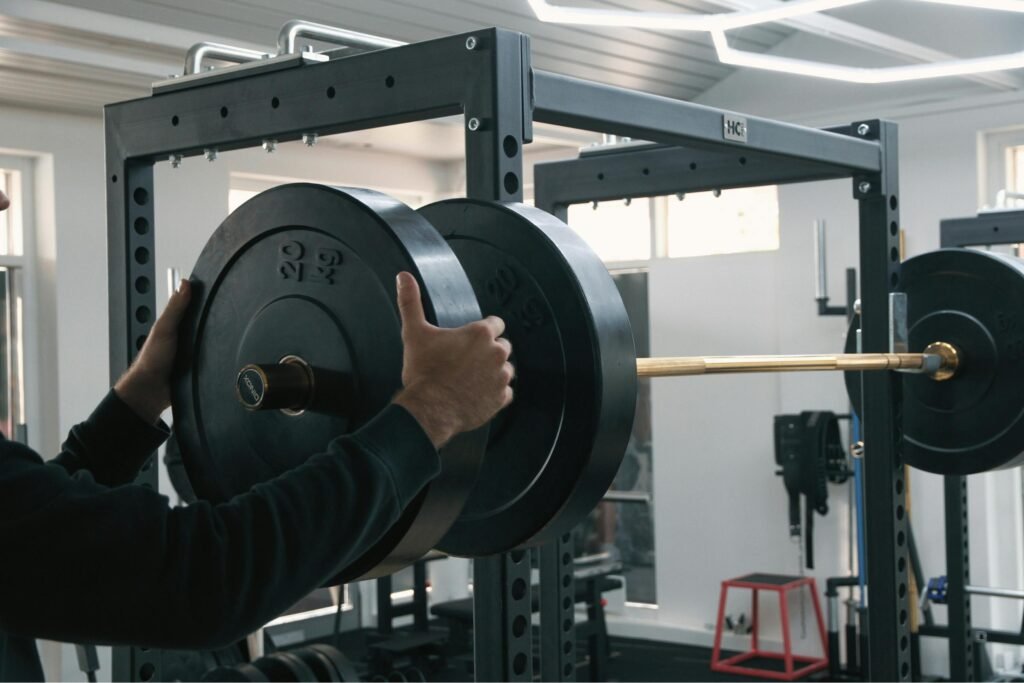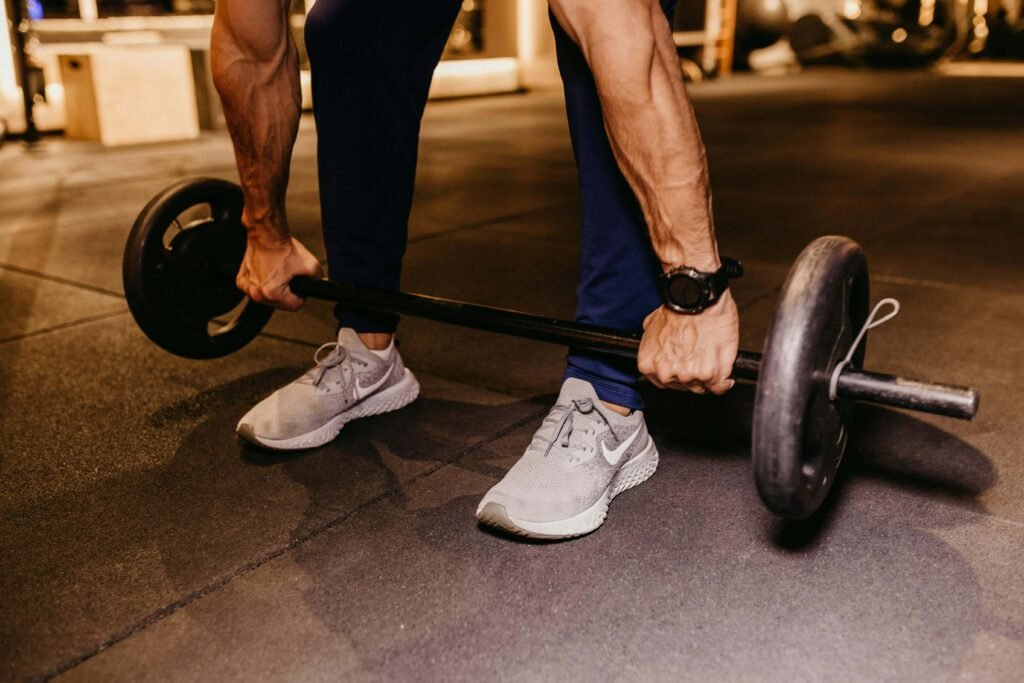
Ever felt sore after a workout, wondering if you’re doing enough for recovery?
Muscle recovery isn’t just about rest—it’s key to building strength and avoiding injury. Understanding how to recover properly can boost your results and enhance your performance.
Imagine feeling less soreness, recovering faster, and seeing greater gains from every session.
In this article, you’ll discover 14 proven muscle recovery tips to help you recover faster, reduce soreness, and maximize your post-workout gains.
The Physiology of Recovery: Understanding What Happens After a Workout
After a workout, your muscles undergo a process called muscle hypertrophy, where fibers experience microscopic tears. This damage is essential for growth, as your body repairs and strengthens these fibers during the recovery process. The process involves increased protein synthesis, where amino acids are used to rebuild muscle tissue stronger than before.
In addition to muscle repair, recovery helps restore glycogen stores that are depleted during exercise. This replenishment is crucial for maintaining energy levels in subsequent workouts. Recovery also helps regulate inflammation and reduces the risk of overtraining, ensuring your body continues to progress.
Proper recovery not only supports muscle growth but also enhances overall performance, enabling muscles to repair and adapt effectively. Rest, proper nutrition, and active recovery techniques are key to optimizing these processes and improving your fitness gains.
1. Sleep

Sleep plays a pivotal role in muscle recovery, as it is during deep sleep that the body undergoes its most extensive repair processes. This is when growth hormone levels peak, promoting muscle tissue repair and facilitating protein synthesis. Adequate sleep helps restore energy, replenish glycogen stores, and repair muscle fibers broken down during intense exercise. Aim for 7-9 hours of uninterrupted sleep each night, with the most beneficial phase being deep sleep, where cellular repair and muscle rebuilding occur most efficiently. Inadequate sleep has a negative impact on muscle recovery, resulting in longer recovery times, an increased risk of injury, and decreased athletic performance. To improve sleep quality, establish a regular sleep routine, avoid caffeine in the afternoon, and create a sleep-friendly environment by keeping your room dark, cool, and quiet. Prioritizing sleep not only accelerates recovery but also enhances overall physical and mental performance.
2. Hydration
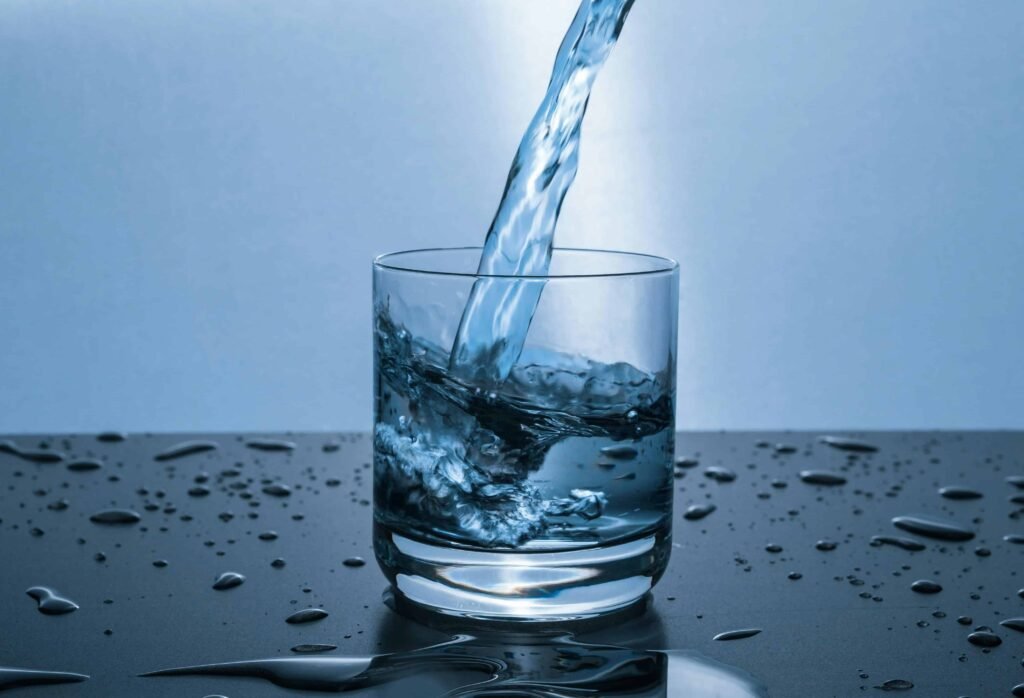
Proper hydration plays a crucial role in muscle recovery, as water is essential for transporting nutrients to muscle cells and removing waste products, such as lactic acid. Dehydration can lead to muscle cramps, fatigue, and slower recovery times. Aim to drink at least 8 cups of water a day, and increase this amount if you’re engaging in intense workouts or are in a hot environment. Adding electrolytes, such as sodium, potassium, magnesium, and calcium, to your hydration routine after a workout helps maintain fluid balance in your cells. This is especially important to prevent dehydration, which can hinder muscle repair. Electrolyte-rich beverages like coconut water or sports drinks can help replenish lost minerals. Hydration ensures that your muscles have the necessary resources to repair, rebuild, and perform at their best, ultimately reducing soreness and speeding up recovery time. Keeping your body hydrated is a simple but crucial aspect of optimizing recovery and enhancing performance. (1)
3. Foam Rolling

Foam rolling is a highly effective technique for reducing muscle tightness and enhancing recovery. It works by applying pressure to areas of muscle tension, helping to break down adhesions in the muscle fibers and fascia. This process, known as myofascial release, improves blood flow to the affected area, reducing muscle soreness and increasing range of motion. Studies have shown that foam rolling can help decrease delayed onset muscle soreness (DOMS) after intense exercise. Spend 1-2 minutes rolling each major muscle group, focusing on areas that feel particularly tight. For best results, foam roll both before and after workouts to improve flexibility and prevent muscle stiffness.
4. Active Recovery
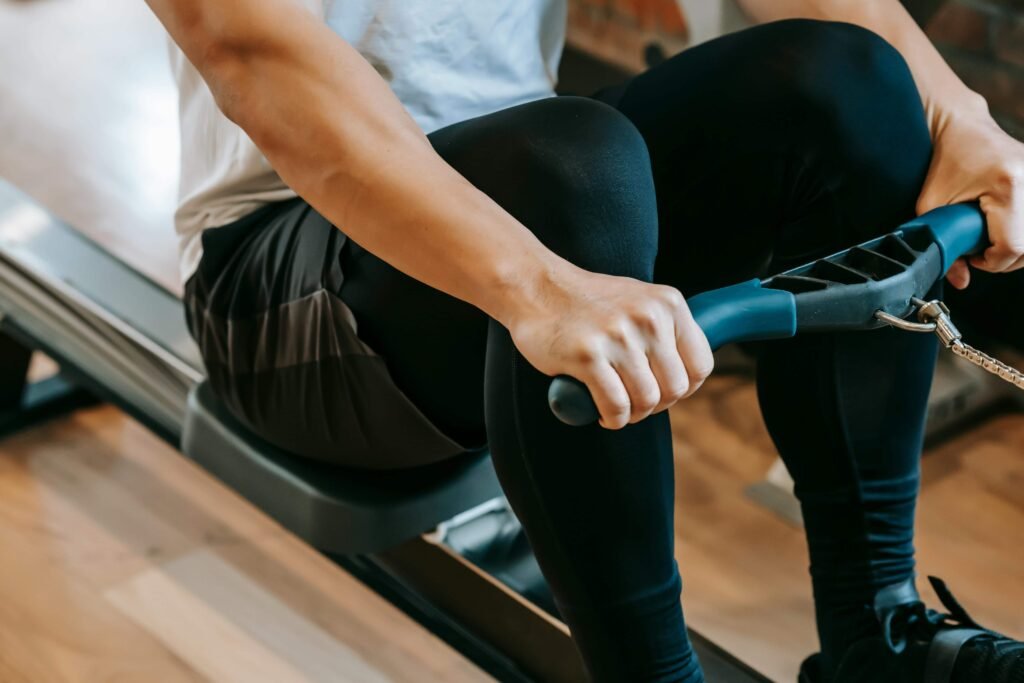
Active recovery involves low-intensity activities that help keep the body moving without putting additional stress on your muscles. Activities like walking, swimming, cycling, or yoga promote blood flow to the muscles, aiding in the delivery of nutrients and removal of waste products like lactic acid. This light activity helps reduce muscle soreness and stiffness while supporting a more efficient recovery process compared to complete rest. By incorporating active recovery into your routine, such as taking a walk on rest days or doing gentle yoga, you allow your muscles to heal while improving flexibility and mobility. These movements enhance recovery by keeping your body active without overloading the muscles, which also reduces the risk of injury. Active recovery can be a key element in maintaining consistency in your training and improving performance over time, helping you bounce back faster for your next workout.
5. Post-Workout Nutrition

Your post-workout nutrition is crucial for muscle recovery and growth. After exercise, your body enters a catabolic state, where muscle tissue is broken down. To support recovery, it requires a combination of protein and carbohydrates to repair and rebuild. Aim for a 3:1 ratio of carbs to protein in your post-workout meal or shake, as this balance has been shown to accelerate glycogen replenishment and muscle repair. High-quality protein sources like whey protein, chicken, or tofu provide essential amino acids needed for muscle rebuilding. Carbohydrates, such as sweet potatoes, quinoa, or fruits, are important for restoring glycogen stores depleted during exercise. Consuming this balanced meal or shake within 30-60 minutes after your workout optimizes the recovery process, ensuring that your muscles receive the necessary nutrients at the right time. This window is critical for maximizing muscle repair and reducing soreness, ultimately helping you perform better in your next training session.
6. Stretching
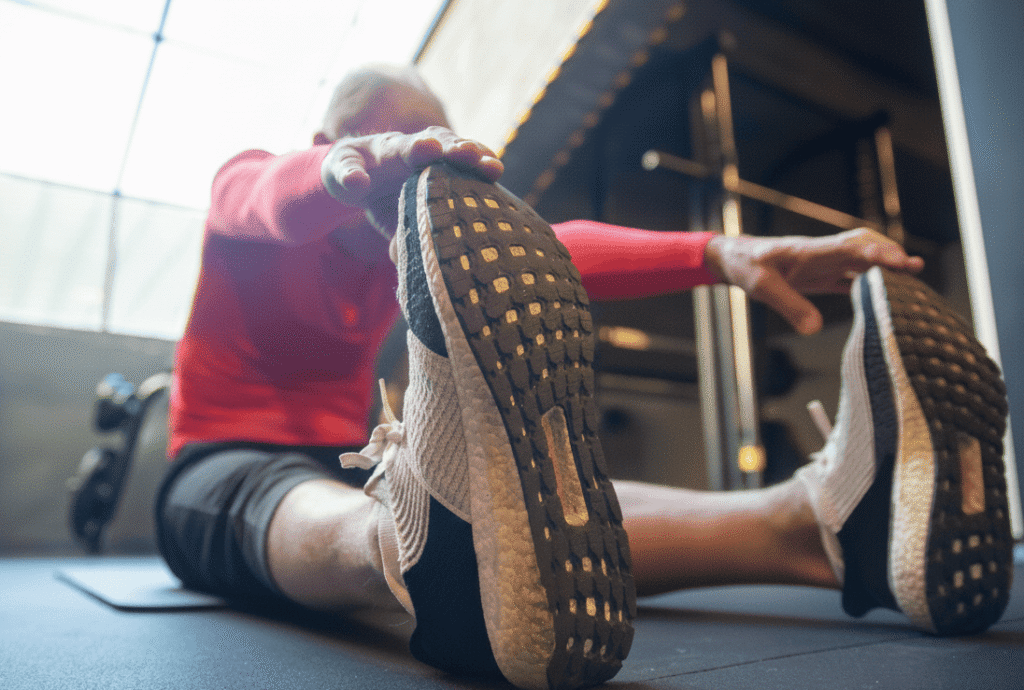
Stretching post-workout is essential for improving flexibility and reducing muscle stiffness. It helps relax your muscles and prevents them from tightening up during the recovery process. Static stretching, where you hold each stretch for 20-30 seconds, works to lengthen muscle fibers and fascia, improving both range of motion and mobility. By increasing flexibility, stretching also promotes better posture and functional movement, which can help prevent future injuries. In addition, it boosts circulation to the muscles, helping deliver essential nutrients for repair and removing waste products. Be sure to stretch all major muscle groups, with a focus on those worked during your training session, to maintain flexibility and support muscle health. Regularly incorporating stretching into your routine can also help minimize the intensity of delayed onset muscle soreness (DOMS), allowing you to recover faster and return to your workouts with less discomfort.
7. Contrast Therapy

Contrast therapy, which alternates between hot and cold treatments, is a popular method for reducing muscle soreness and inflammation. Cold therapy, such as ice baths or cold showers, helps to reduce inflammation, constrict blood vessels, and numb pain, providing immediate relief. On the other hand, heat therapy, such as using a hot tub or heating pad, increases blood flow, relaxes muscles, and accelerates the healing process. The combination of both therapies promotes faster recovery by addressing muscle soreness from multiple angles. Cold immersion helps to limit muscle damage and swelling, while heat therapy aids in muscle relaxation and enhances circulation. To experience the full benefits, try alternating between 3-4 minutes of cold immersion and 1-2 minutes of hot water. This contrast helps flush out toxins and brings fresh, nutrient-rich blood to the muscles, speeding up recovery and reducing post-workout discomfort.
8. Compression Garments

Compression garments are designed to apply pressure to muscles and improve circulation, which aids in faster recovery. These garments, such as compression socks, sleeves, or shorts, help reduce swelling and muscle fatigue while promoting blood flow to the muscles. Research indicates that wearing compression garments post-workout can decrease muscle soreness and speed up recovery time. By improving circulation, compression garments ensure that nutrients reach the muscle tissue faster and that waste products, such as lactic acid, are removed more efficiently. Consider using compression gear during and after workouts to boost your recovery, especially after high-intensity or endurance training sessions. (2)
9. Take BCAAs for Muscle Protection
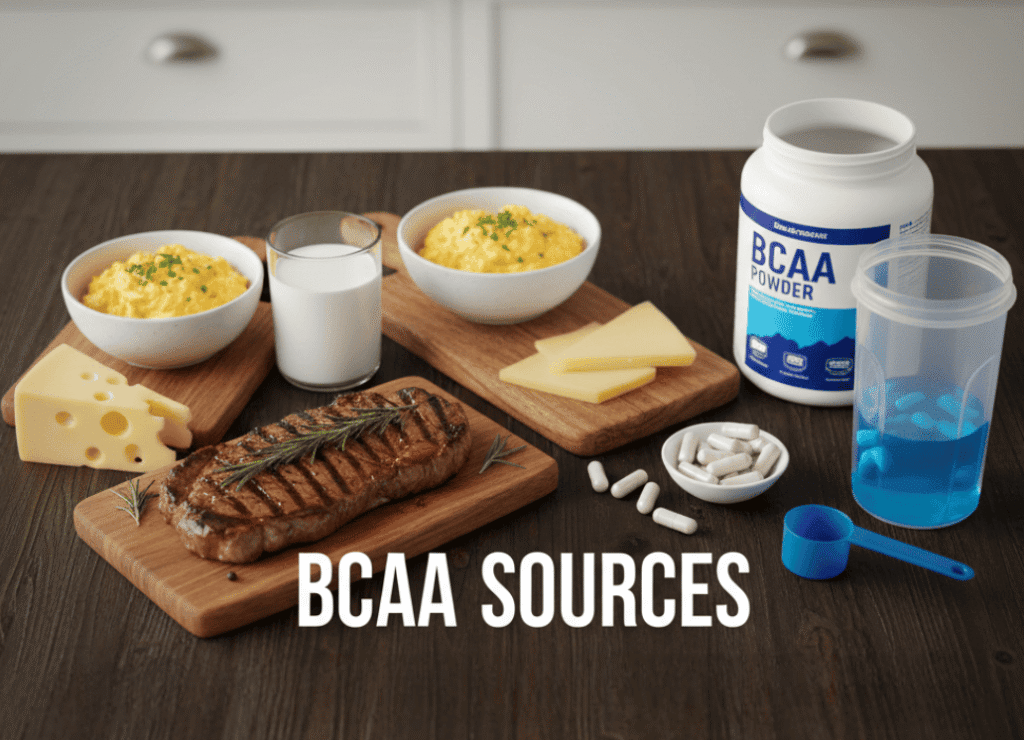
Branched-chain amino acids (BCAAs) are essential nutrients that play a vital role in muscle recovery and protection. These amino acids—leucine, isoleucine, and valine—are crucial for muscle protein synthesis, helping to repair and rebuild muscle tissue after intense exercise. BCAAs can be found in high-protein foods like meat, eggs, and dairy, or taken as supplements. By consuming BCAAs, you help reduce muscle breakdown during and after workouts, preserving lean muscle mass and minimizing the risk of muscle catabolism. BCAA supplementation has been shown to reduce muscle soreness, enhance muscle recovery, and decrease fatigue, allowing for quicker recovery between workouts. If you’re engaging in high-intensity or strength training, adding BCAAs to your post-workout routine can help improve recovery and maintain muscle mass. This supplementation also aids in reducing the feeling of exhaustion, helping you perform better in subsequent training sessions and promoting sustained strength gains.
10. Anti-inflammatory foods

Eating anti-inflammatory foods after a workout can speed up recovery by reducing muscle inflammation and soreness. Certain foods are rich in compounds that help lower inflammation in the body, including omega-3 fatty acids, antioxidants, and polyphenols. Examples of anti-inflammatory foods include fatty fish like salmon, chia seeds, walnuts, turmeric, ginger, and berries. Consuming these foods can help to reduce oxidative stress and muscle damage caused by intense exercise. Incorporating these foods into your post-workout meals and snacks will promote faster recovery and reduce discomfort, allowing you to bounce back quicker and train harder in your next session.
11. Rest Periods

Overtraining is one of the leading causes of poor recovery and can result in fatigue, decreased performance, and even injury. Listening to your body is essential—if you feel persistent soreness, exhaustion, or lack of motivation, it’s a sign that your muscles need more time to recover. Incorporate rest days into your training schedule to allow your body to rebuild and repair. Overtraining not only hampers recovery but can also increase the risk of injuries, such as sprains or strains. To avoid overtraining, vary your workouts, alternate between high- and low-intensity exercises, and ensure you’re getting enough rest between training sessions to optimize recovery and progress.
12. Massage Therapy
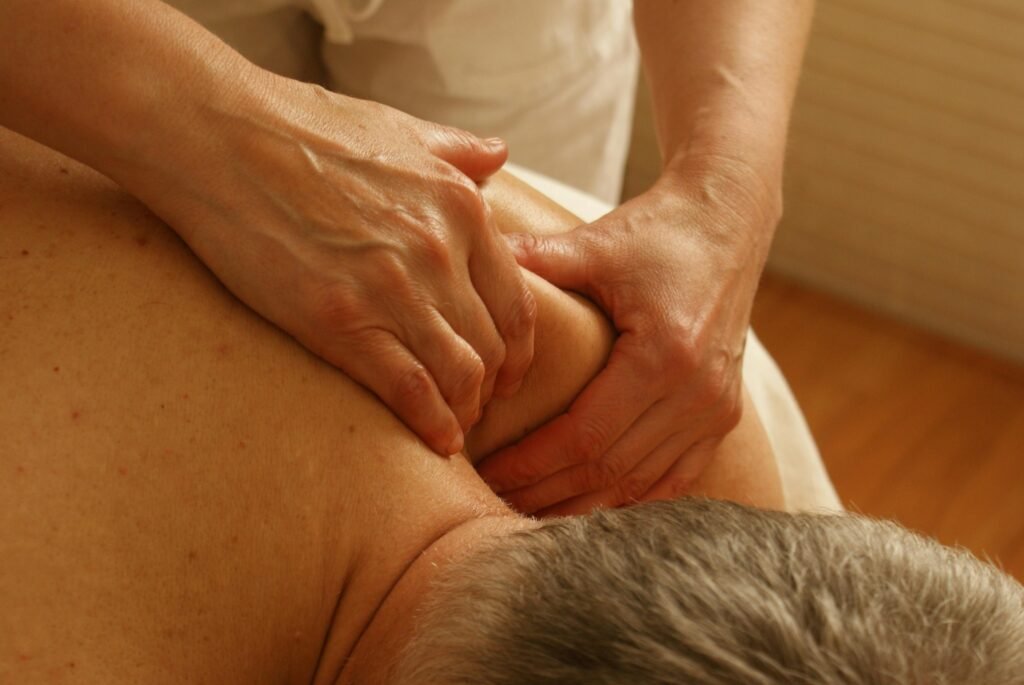
Massage therapy is an effective way to enhance muscle recovery by improving blood flow, reducing tension, and promoting relaxation. Regular massages, especially those targeting areas like the back, legs, and shoulders, help to release tightness, reduce pain, and alleviate muscle stiffness. The increased circulation from massage promotes faster delivery of nutrients to muscles and more efficient removal of waste products, speeding up the healing process. Scheduling a professional massage after intense workouts or using self-massage tools, such as foam rollers or massage guns, can significantly improve recovery. These tools are convenient for targeting specific muscle groups and help to reduce soreness, boost flexibility, and prevent injuries. Whether you opt for a professional massage or use self-massage techniques, incorporating this into your recovery routine can accelerate muscle repair, reduce post-workout discomfort, and improve overall performance in future training sessions.
13. Turmeric

Turmeric, a powerful spice known for its anti-inflammatory and antioxidant properties, can play a significant role in muscle recovery. Curcumin, the active compound in turmeric, helps reduce inflammation and muscle soreness by inhibiting the production of inflammatory markers in the body. Studies have shown that turmeric can enhance recovery by decreasing pain and swelling in muscles after intense exercise. You can incorporate turmeric into your diet by adding it to smoothies, teas, or curries, or take it as a supplement for maximum effect. This natural anti-inflammatory remedy helps speed up recovery and reduce post-workout discomfort.
14. Consistent Training

Consistency in training is essential for building strength and maximizing recovery. By following a structured workout plan, you provide your muscles with a clear progression, allowing them to adapt and grow stronger over time. Progressive overload—gradually increasing the intensity of your workouts—forces muscles to continually challenge themselves, ensuring sustained growth. However, maintaining consistency doesn’t mean pushing yourself to the limit every session. Adequate rest and recovery are just as important to allow muscles to repair and avoid overtraining. By combining regular, well-planned workouts with proper recovery techniques, you reduce the risk of injury and promote steady improvements in strength and performance over time.
Long-Term Recovery Benefits for Injury Prevention and Overload
Prioritizing recovery in your fitness routine is crucial for long-term progress and injury prevention. Consistent recovery allows muscles to repair, rebuild, and grow stronger, ultimately enhancing performance over time. Without proper recovery, the body remains in a constant state of breakdown, which can lead to overtraining, increased risk of injury, and diminished returns on effort.
Recovery techniques, such as adequate rest, hydration, proper nutrition, and stretching, allow for the restoration of energy stores and reduce muscle fatigue, which helps prevent strains and overuse injuries. Recovery also plays a significant role in progressive overload—gradually increasing the intensity of workouts to continue building strength and muscle. By giving your muscles the time they need to recover, you enable them to adapt to higher workloads without the risk of plateauing or injuring yourself.
Furthermore, prioritizing recovery supports the nervous system and mental health, which are just as important for long-term training success. Over time, focusing on recovery fosters better consistency in training and improved performance. By avoiding injury and allowing for continual progress, you set the foundation for reaching your fitness goals safely and effectively. Ultimately, recovery is not just a passive process; it is a key strategy for sustainable improvement and long-term success in fitness.