Want to build muscle faster? The right nutrition can make all the difference. Learn about 10 high-protein foods that power muscle growth, backed by expert insights. Ready to transform your physique? Keep reading to discover what to eat and why it’s essential for your gains!
1. Chicken Breast (Lean Poultry)
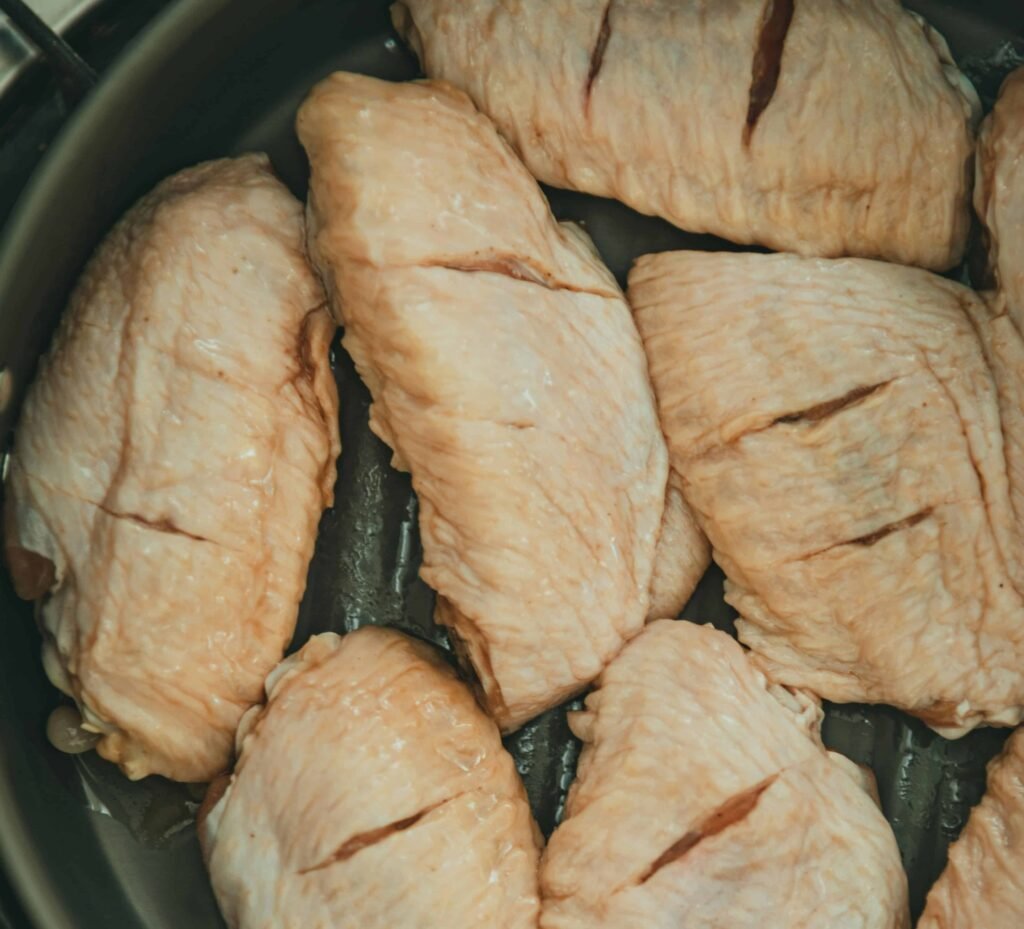
Chicken breast is often referred to as a “muscle-growth staple” due to its lean protein content. A 3.5-ounce (100-gram) serving of chicken breast provides approximately 31 grams of protein with minimal fat. This makes it an ideal choice for individuals seeking to maximize muscle growth without consuming excess calories.
The high protein content in chicken breast helps repair and rebuild muscle fibers after resistance training, enhancing your recovery process. Additionally, it’s versatile, easy to cook, and can be incorporated into various meals. Pairing chicken breast with a source of healthy fats, such as avocado, and a serving of vegetables ensures a balanced meal that supports muscle growth. (1)
Moreover, chicken breast contains important micronutrients like niacin and vitamin B6, which help with energy metabolism, supporting intense workouts. To learn more about how protein impacts muscle growth, check out this detailed resource on muscle-building nutrition.
2. Salmon (Fatty Fish)
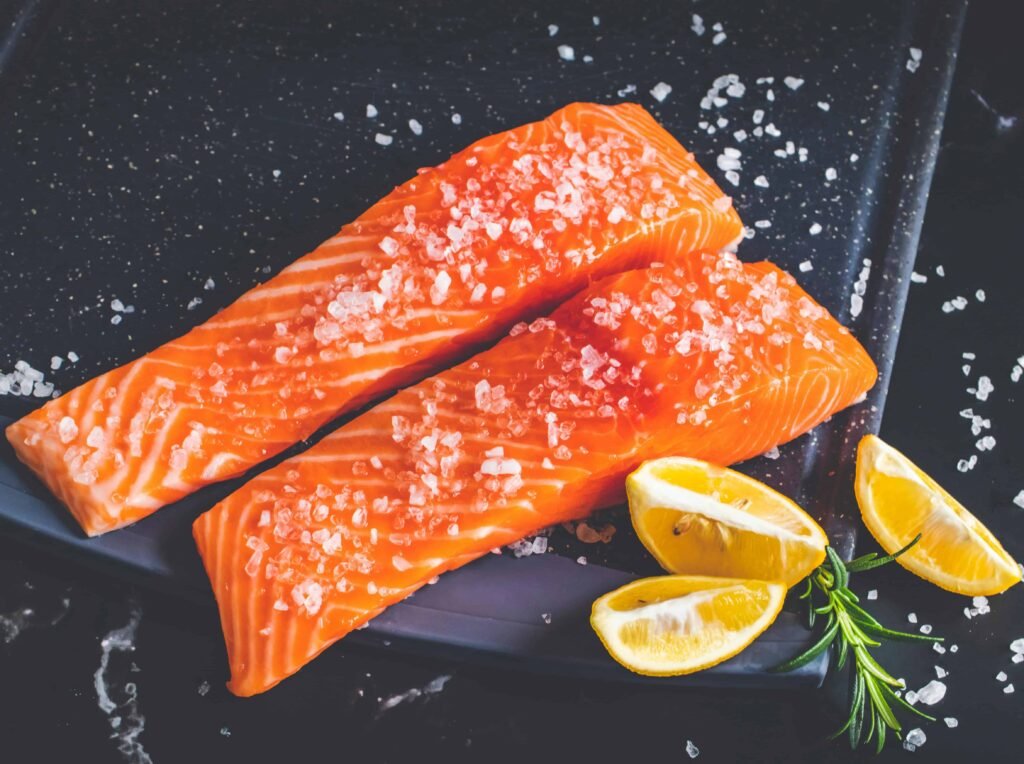
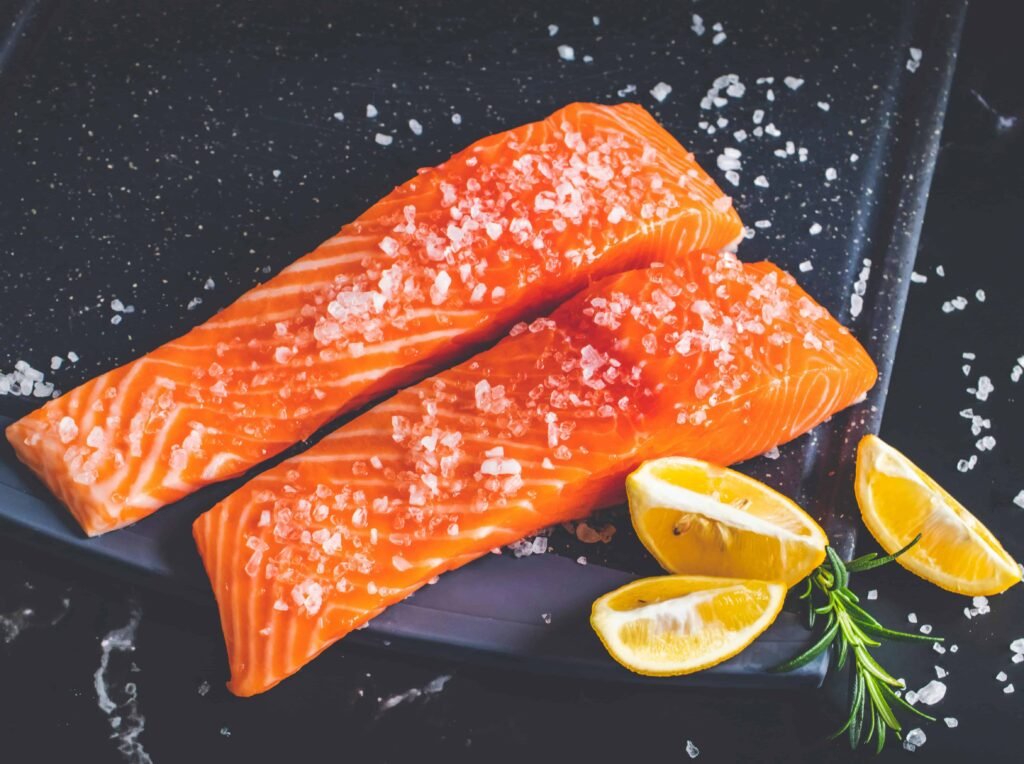
Salmon is not only a fantastic source of high-quality protein but also provides essential omega-3 fatty acids. A 3.5-ounce (100-gram) portion of salmon offers around 22 grams of protein, along with heart-healthy fats that promote overall well-being. The omega-3s in salmon support muscle protein synthesis by reducing inflammation, which accelerates recovery after intense exercise.
Including salmon in your diet can also help improve insulin sensitivity, which plays a key role in muscle growth. Its high content of vitamin D helps maintain healthy bones and immune function, making it a great addition to any muscle-building regimen. (1)
For those aiming to enhance muscle hypertrophy, adding salmon to your meals can be an effective strategy. You can pair it with leafy greens and quinoa for a nutrient-packed meal that fuels your body and promotes growth.
3. Eggs (The “Complete Protein Package”)
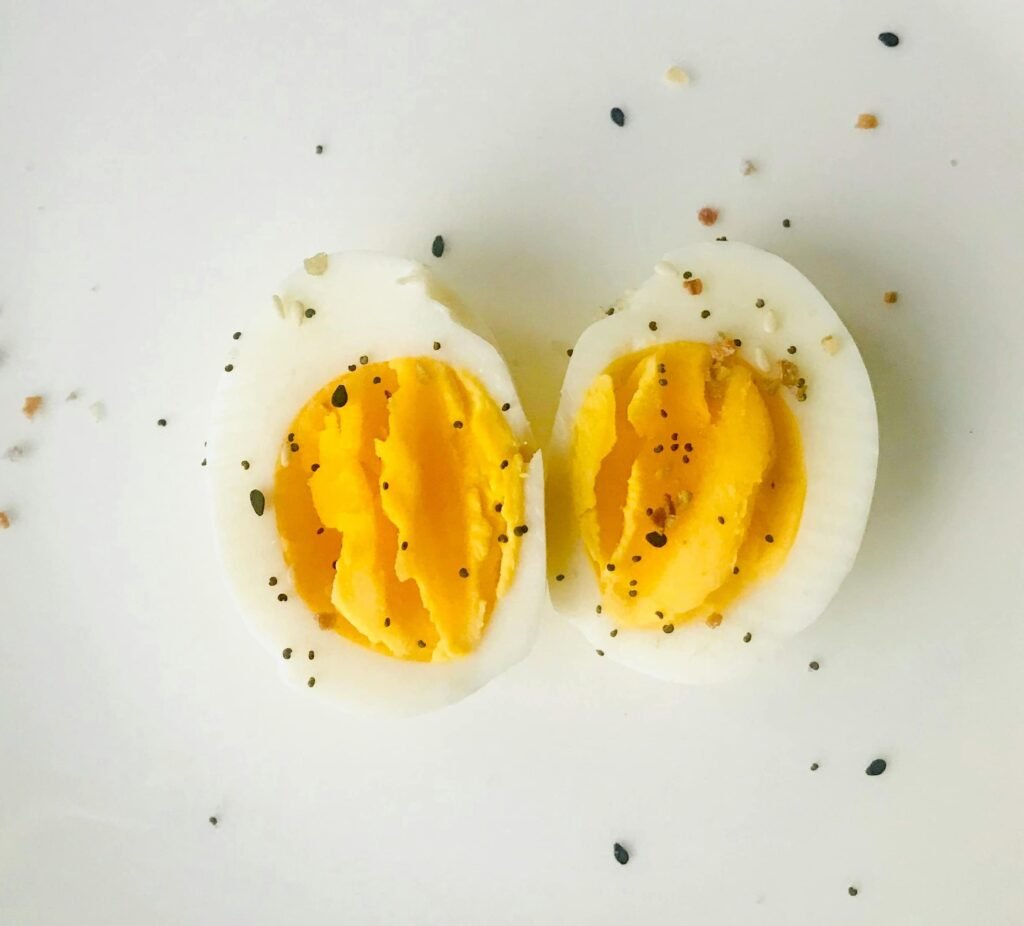
Eggs are often referred to as the “perfect protein” because they contain all nine essential amino acids, making them a complete protein source. One large egg contains about 6 grams of protein, and its amino acid profile supports muscle repair and growth. Eggs also provide significant levels of B vitamins, especially vitamin B12, which is crucial for muscle function.
The high biological value of egg protein means that your body can efficiently utilize it for muscle recovery. Whether scrambled, boiled, or poached, eggs are a versatile and easy addition to your diet. They’re also rich in healthy fats, including omega-3s, if you choose enriched varieties.
Eggs are not only affordable but also packed with nutrients that support recovery and muscle repair. For optimal muscle-building results, try adding eggs to your post-workout meals. To learn more about how eggs boost muscle gains, explore this comprehensive guide on muscle growth nutrition. (1)
4. Greek Yogurt (Dairy)
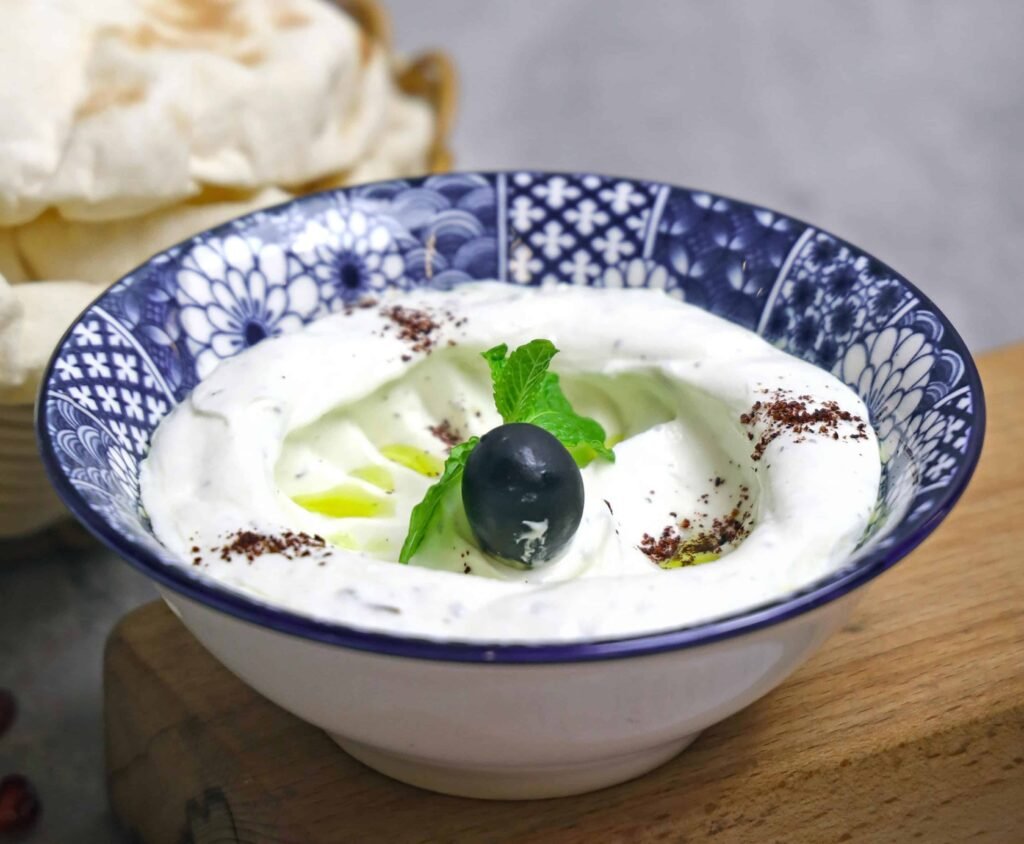
Greek yogurt is an excellent source of protein, with approximately 10 grams of protein per 100-gram serving. This high-protein dairy product is also rich in calcium, which supports bone health and muscle function. Greek yogurt contains both casein and whey protein, making it a slow-digesting and fast-digesting protein combination that offers both immediate and sustained muscle recovery.
The probiotics in Greek yogurt promote gut health, which can support overall digestion and nutrient absorption, allowing you to maximize the benefits of your diet. Consuming Greek yogurt post-workout is ideal for replenishing protein stores and supporting muscle repair, leading to optimal results.
You can also incorporate Greek yogurt into smoothies, parfaits, or salads for a delicious, protein-packed snack. Pairing it with berries and a sprinkle of nuts will provide additional vitamins and healthy fats.
5. Cottage Cheese (Dairy)
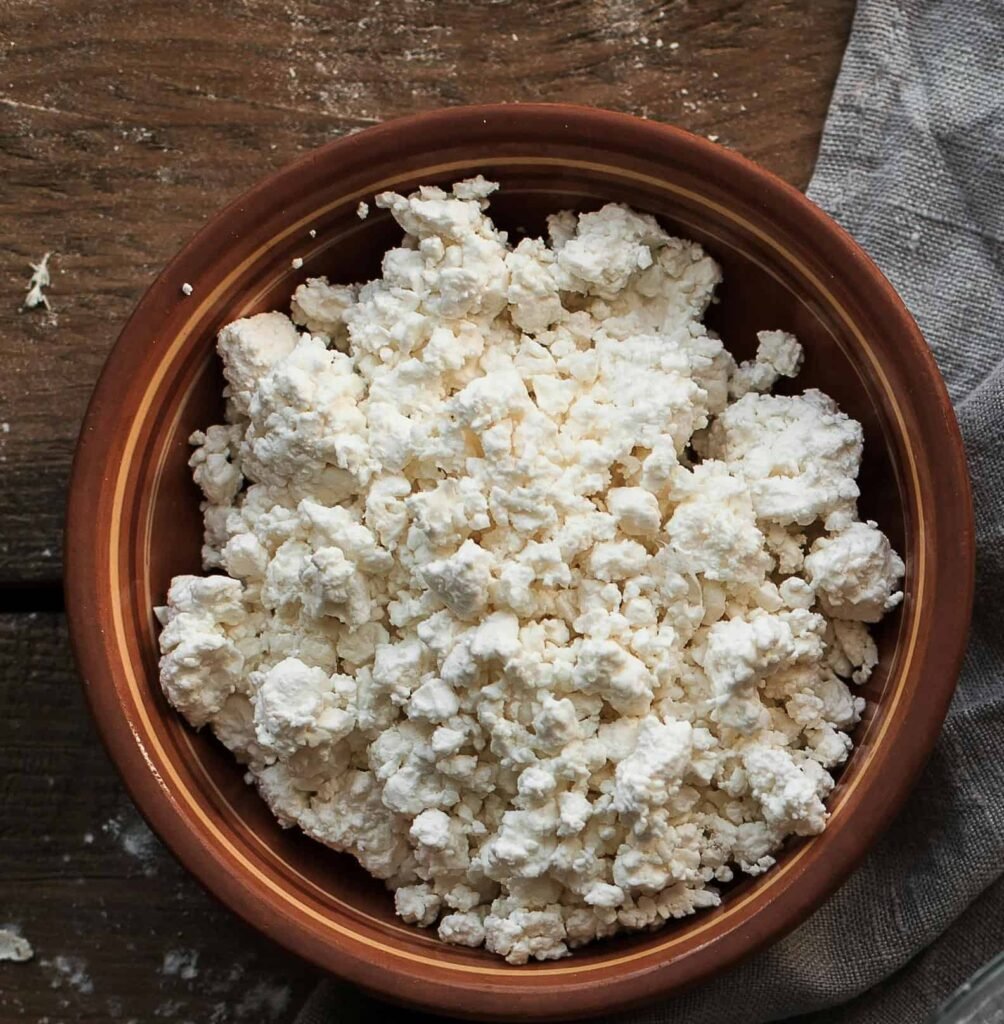
Cottage cheese is a high-protein dairy food that’s particularly rich in casein, a slow-digesting protein that provides a steady stream of amino acids to muscles over an extended period. A 100-gram serving typically contains 11-12 grams of protein, making it an excellent choice for muscle growth, especially when consumed before bed. Casein’s slow release helps prevent muscle breakdown during sleep, which is critical for recovery and optimal muscle development.
In addition to protein, cottage cheese is a valuable source of calcium, a mineral essential for muscle contraction and bone health. It also provides other nutrients such as phosphorus and vitamin B12, further supporting overall muscle function and energy production.
Cottage cheese is incredibly versatile—whether eaten plain, mixed with fruit for a snack, or added to savory dishes like salads and casseroles. For anyone looking to build lean muscle, cottage cheese is a nutritious and practical addition to any diet.
6. Lean Beef (Red Meat)
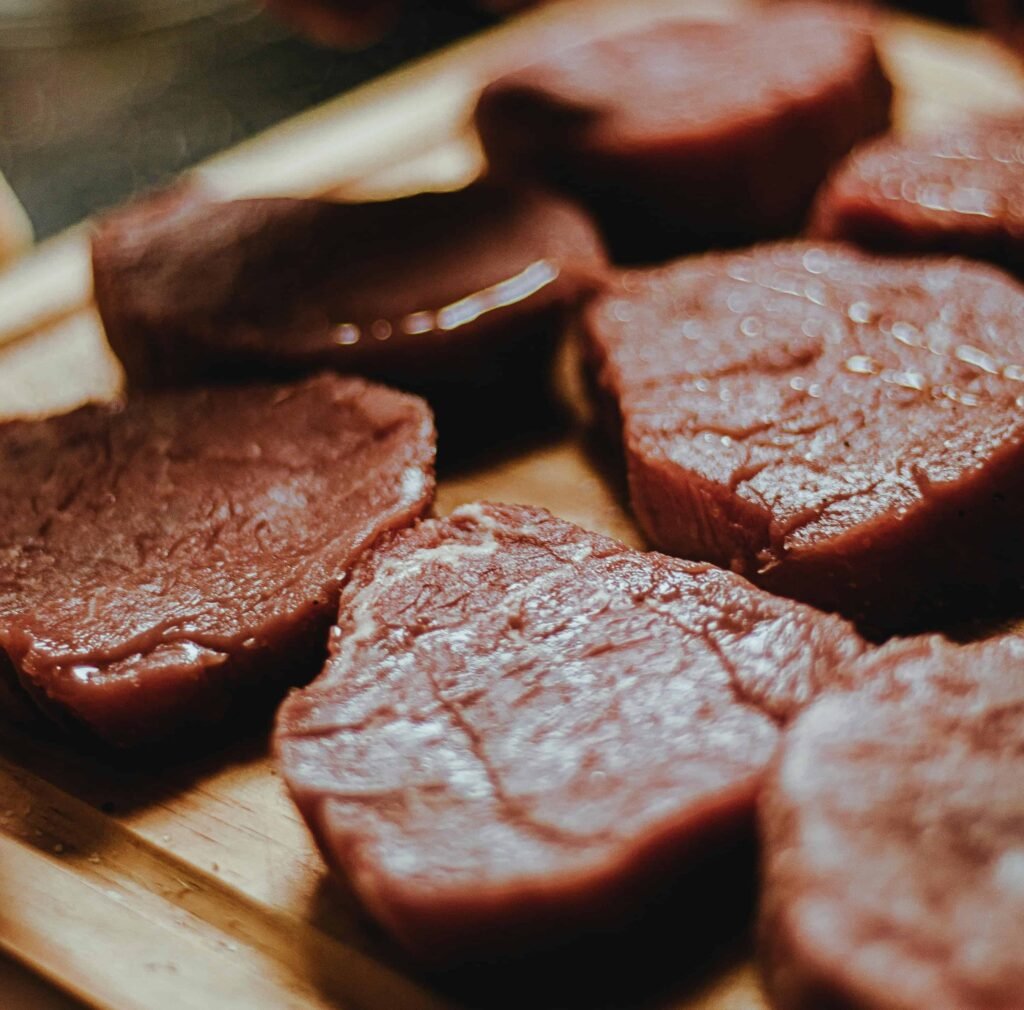
Lean beef is a powerhouse protein source, offering about 22-31 grams of protein per 3.5-ounce (100-gram) serving, depending on the cut. It’s also rich in iron, which is vital for oxygen transport to muscles during intense physical activity. This can help improve exercise performance and reduce fatigue, facilitating better results.
In addition to protein, lean beef contains zinc, which plays a role in hormone production, including testosterone, a hormone that’s crucial for growth. The amino acid profile in beef supports muscle repair and growth after workouts.
While lean beef is an excellent source of high-quality protein, it should be consumed in moderation due to its saturated fat content. Pair it with vegetables and whole grains for a balanced, muscle-friendly meal.
7. Tofu & Tempeh (Soy-Based Plant Proteins)
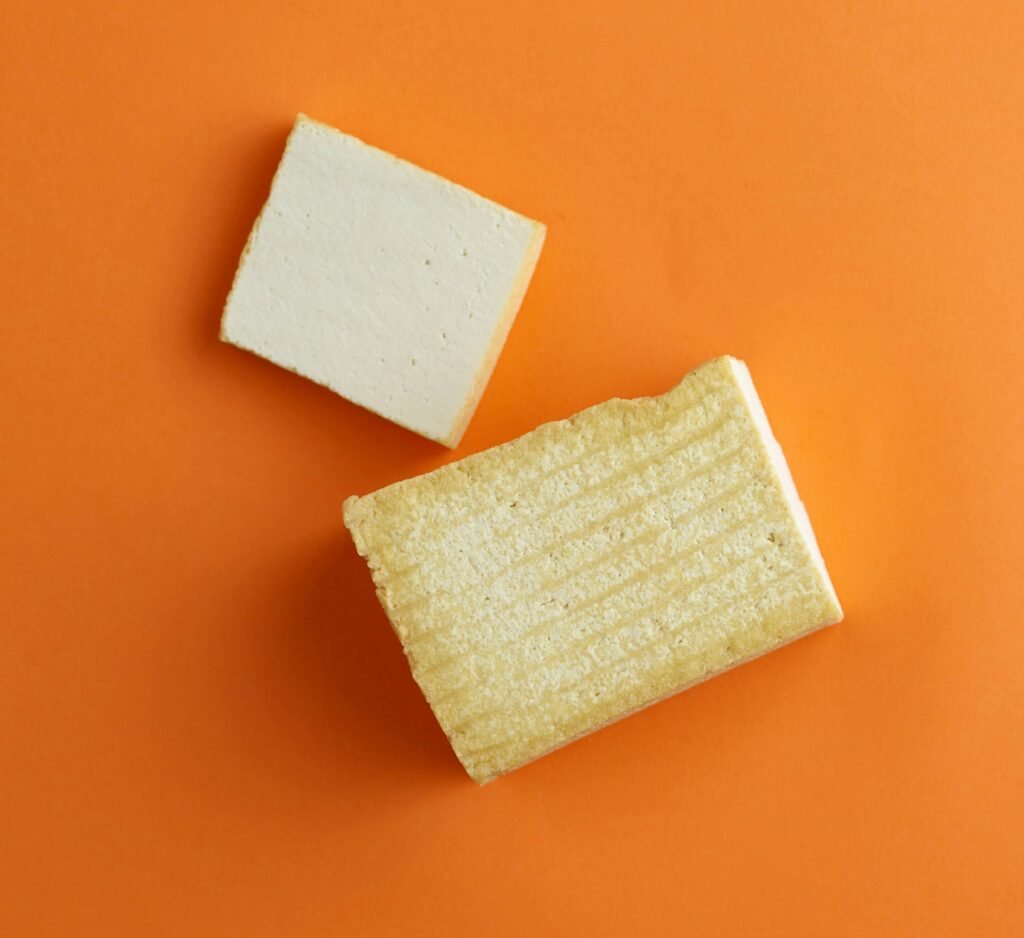
For those following a plant-based diet, tofu and tempeh are outstanding sources of protein that support muscle growth and repair. Tofu provides about 8 grams of protein per 100-gram serving, while tempeh offers a more protein-dense option, delivering around 19 grams of protein per 100 grams. Both tofu and tempeh are made from soybeans, which are complete proteins, meaning they contain all nine essential amino acids necessary for muscle recovery and development.
Incorporating tofu and tempeh into your meals can help enhance protein intake and promote muscle protein synthesis. Soy protein has been shown to effectively stimulate muscle growth, making these foods valuable additions to any plant-based or omnivorous diet. (1)
Tofu is versatile and can be added to stir-fries, soups, or salads, while tempeh works well in wraps, grain bowls, or as a meat alternative in various dishes. These soy-based proteins are excellent options for achieving lean muscle mass on a plant-based diet.
8. Lentils & Chickpeas (Legumes)
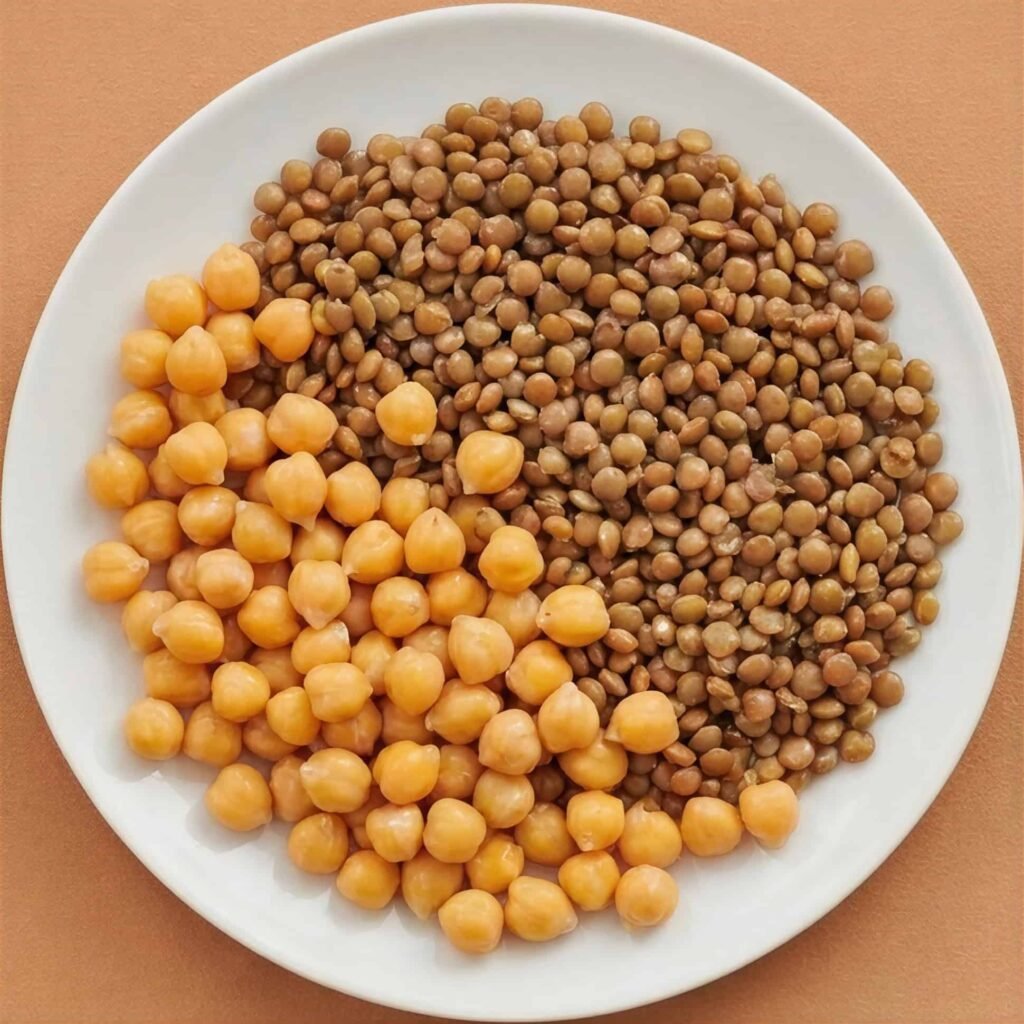
Lentils and chickpeas are outstanding plant-based protein sources, providing approximately 9 grams of protein per 100-gram serving. While they may not be as protein-dense as animal products, they offer a rich combination of fiber, vitamins, and minerals that contribute to muscle growth. These legumes are also packed with complex carbohydrates, which provide the sustained energy needed for demanding workouts and recovery.
Although the protein in lentils and chickpeas lacks some essential amino acids, they can still support muscle development when combined with other plant-based proteins like quinoa, nuts, or seeds. This ensures you receive a complete amino acid profile.
Lentils and chickpeas are incredibly versatile—use them in soups, stews, curries, salads, or as the base for veggie burgers or hummus. These nutrient-packed legumes are a great addition to any muscle-building diet.
9. Tuna (Canned, Light)
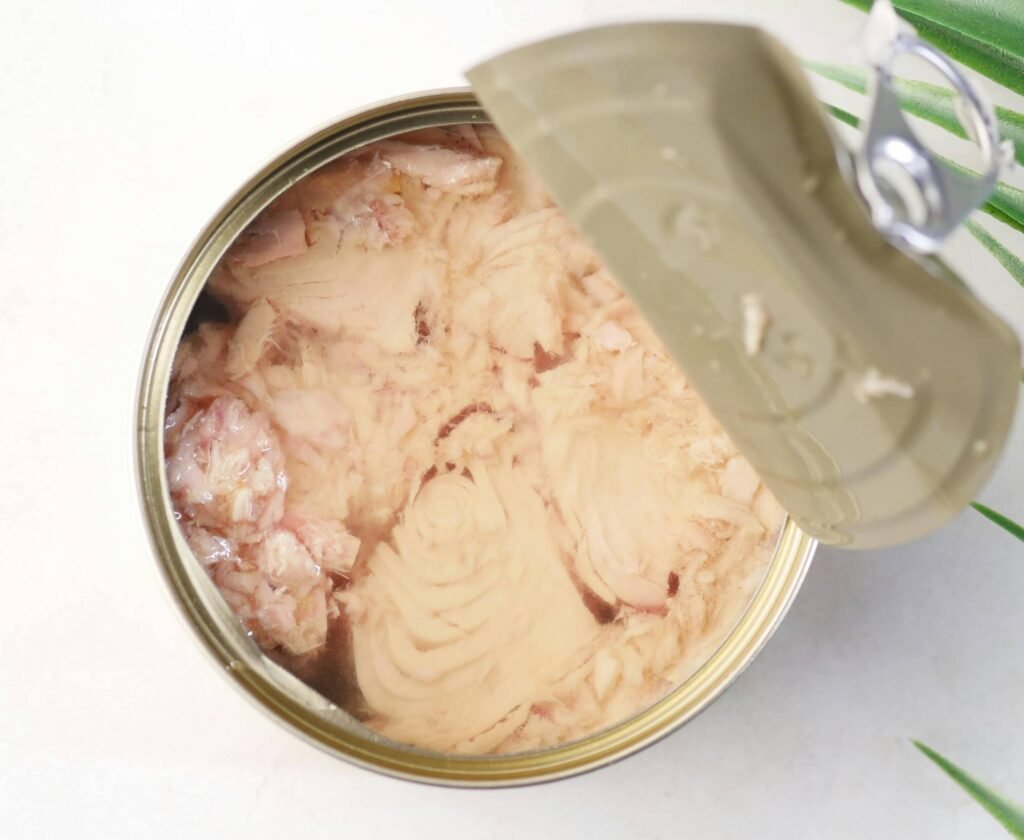
Tuna is a convenient, affordable, and high-quality source of protein, offering approximately 23 grams of protein per 3.5-ounce (100-gram) serving. Light canned tuna is particularly low in fat, making it an excellent choice for those aiming to build lean muscle mass without adding excess calories.
Rich in essential vitamins and minerals like vitamin D, selenium, and iodine, tuna also supports overall health, bone strength, and muscle function. Its high protein content plays a key role in muscle repair and protein synthesis after workouts, helping you recover faster and build muscle more efficiently.
Whether used in a salad, sandwich, or served alongside vegetables, tuna offers a quick, nutrient-dense meal that aligns with muscle-building goals. For anyone focused on enhancing muscle growth, including tuna in a balanced diet is a practical and nutritious option. (1)
10. Quinoa (Whole Grain)
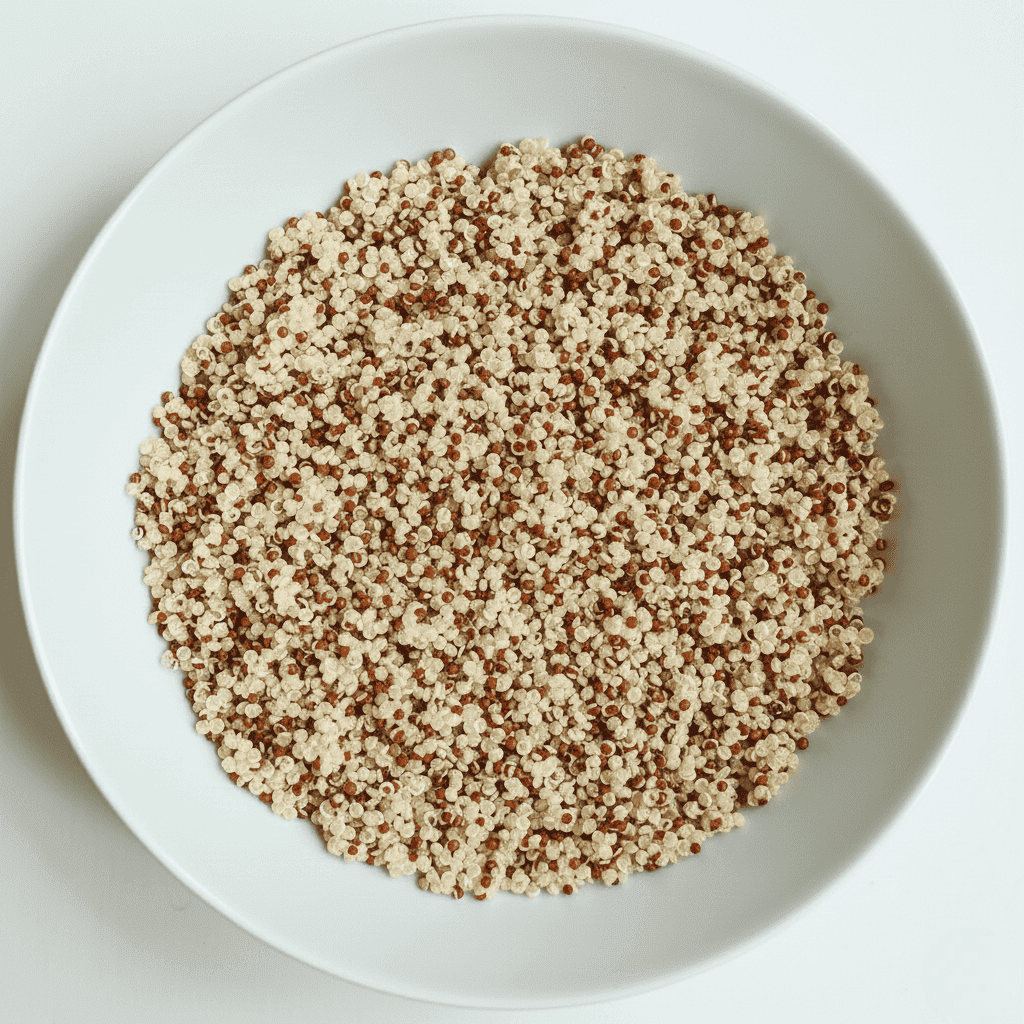
Quinoa is a complete protein source, offering around 8 grams of protein per cooked cup (185 grams). It contains all nine essential amino acids, making it a great option for those looking to support muscle development while maintaining a plant-based diet. In addition to protein, quinoa is a rich source of fiber, antioxidants, and micronutrients, such as magnesium and iron, which support overall health.
Unlike many plant-based protein sources, quinoa is a complete protein, which makes it an excellent option for those aiming to optimize recovery and muscle growth. It can be used in a variety of dishes, from salads to grain bowls, and can serve as an excellent base for plant-based meals.
Combining quinoa with vegetables or legumes enhances its protein content and creates a balanced, muscle-supporting meal.
The Holistic Approach
Achieving peak muscle growth requires more than just eating the right foods. The key to optimal muscle development lies in the synergy of targeted nutrition, consistent resistance training, and a healthy lifestyle. Proper nutrition, rich in protein, healthy fats, and micronutrients, provides the necessary fuel for muscle repair and growth. Protein-rich foods, like chicken, salmon, and plant-based options like tofu, support muscle protein synthesis, which is essential for muscle recovery and hypertrophy.
Consistent resistance training stimulates muscle fibers, promoting growth and strength. Coupled with progressive overload, it ensures continued muscle development. However, rest and recovery are just as important, as muscles grow during periods of rest, not while working out.
A well-rounded approach that includes stress management, adequate sleep, and hydration creates a foundation for success. When combined, these factors maximize muscle growth potential. (1) (2)